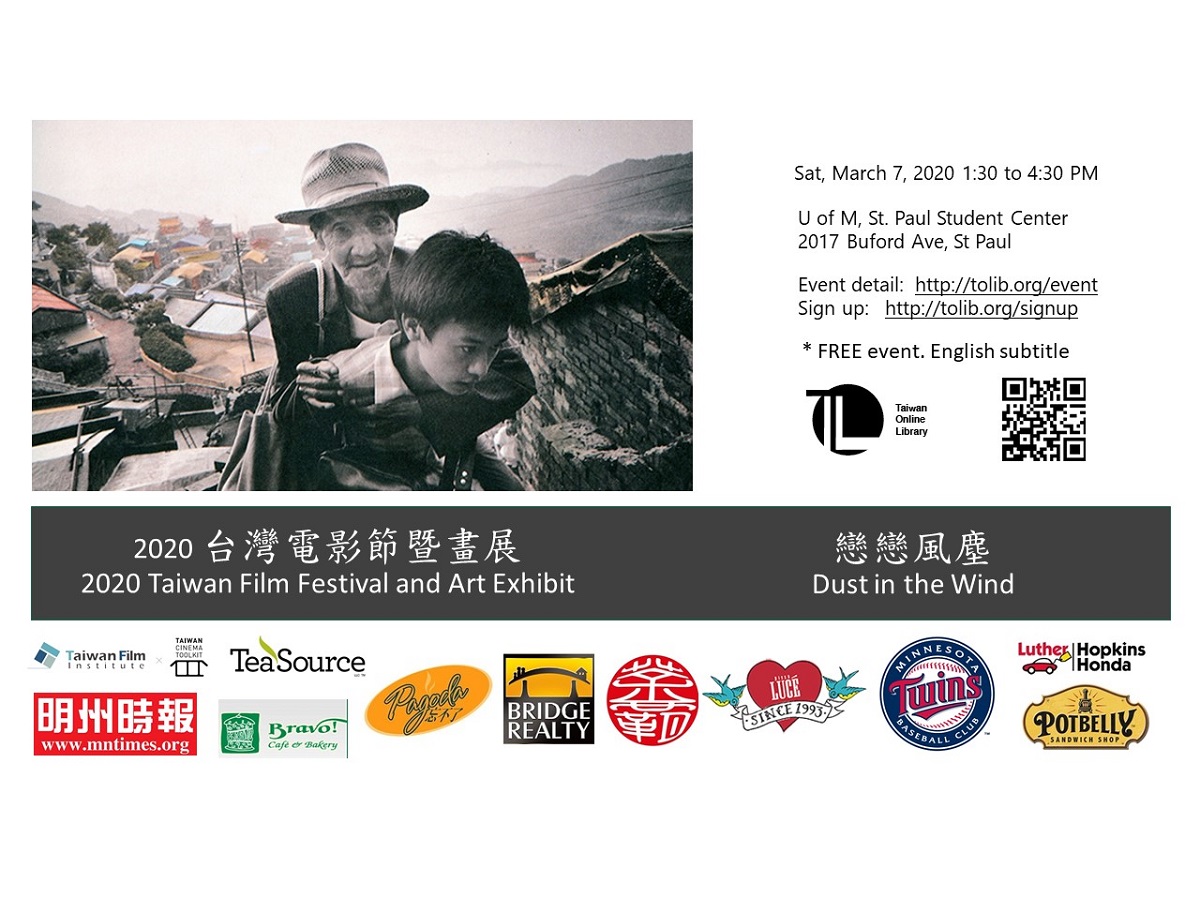
2020 Taiwan Film Festival and Art Exhibit
Origin
Film is a great approach to sharing stories, and there are many great films from Taiwan.
Taiwan Online Library is passionate to share with you stories about Taiwan through a film created in Taiwan.
The film, “Dust in the Wind”, one of the most influential films in Taiwan’s New Wave cinema movement, was directed by Hou Hsiao-Hsien. A leading figure in world cinema, he works as a Taiwanese film director, screenwriter, producer, and actor.
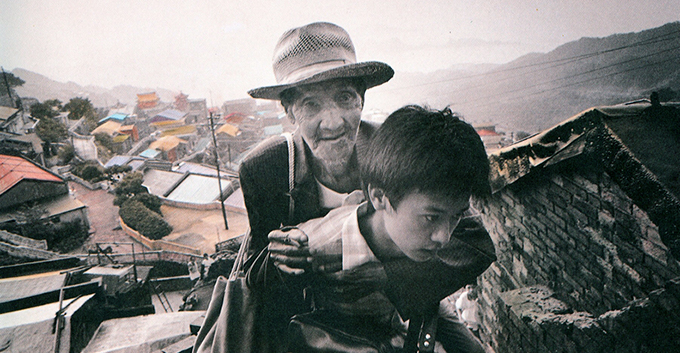
“Dust in the Wind” is about two young lovers from a village giving up high school in order to work in the big city. Their story shows the impact of modernization on traditional Taiwanese life in a nostalgic portrayal of a changing Taiwan in the early 1970’s.
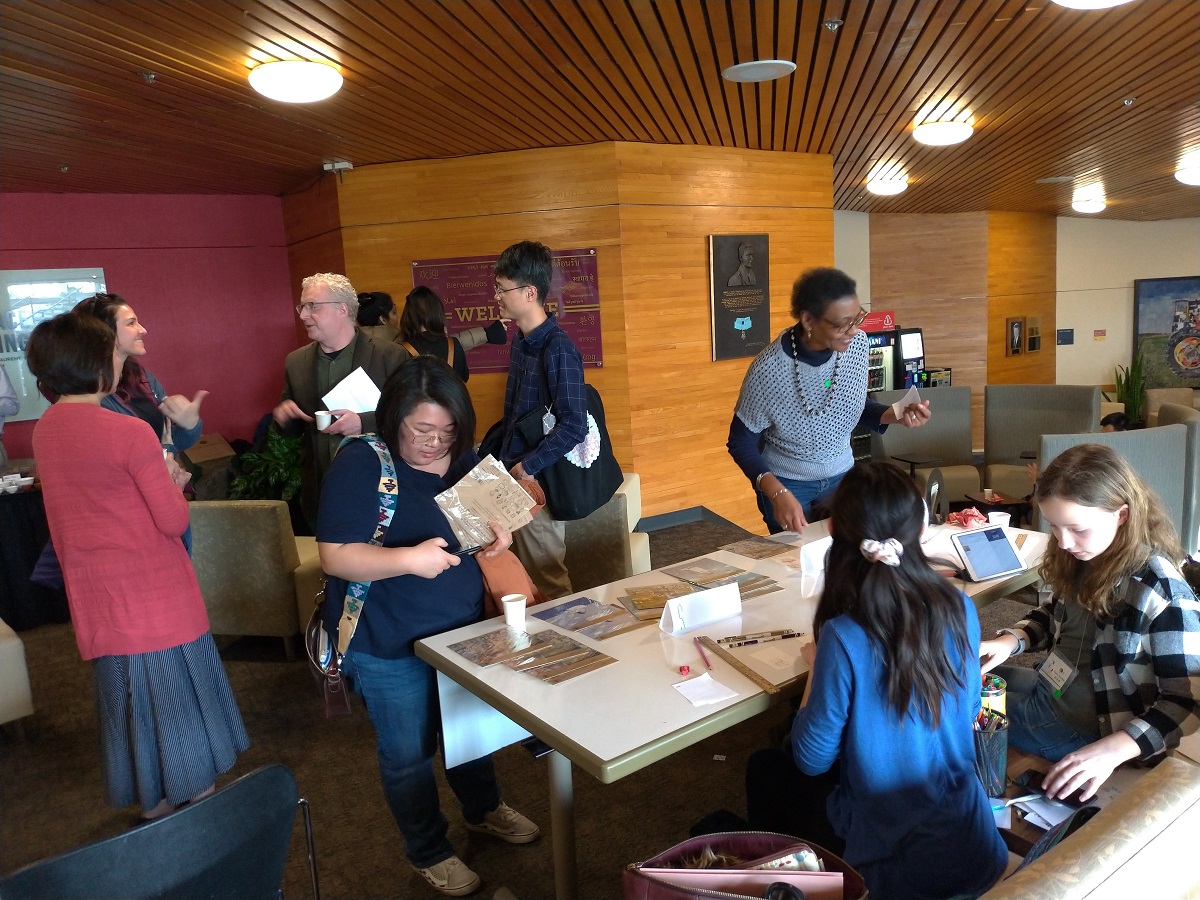
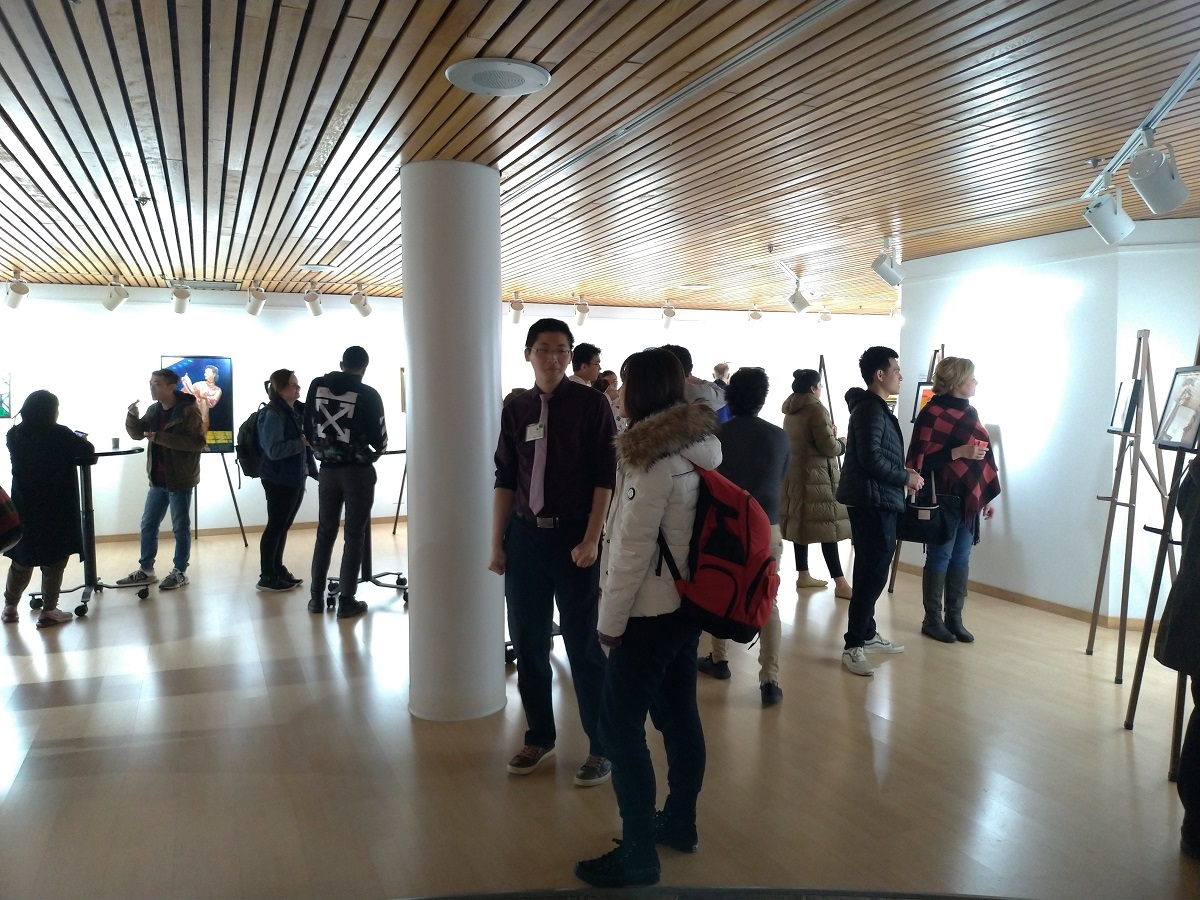
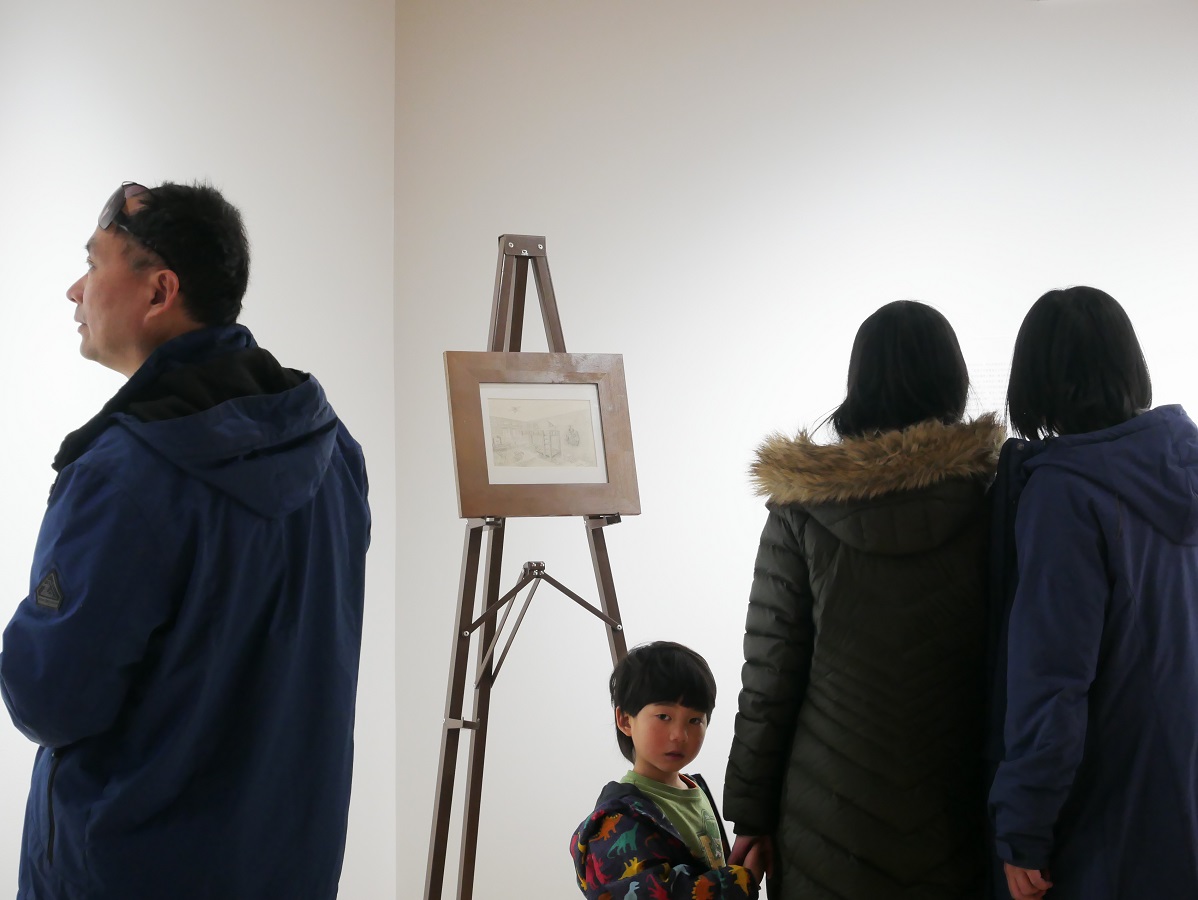
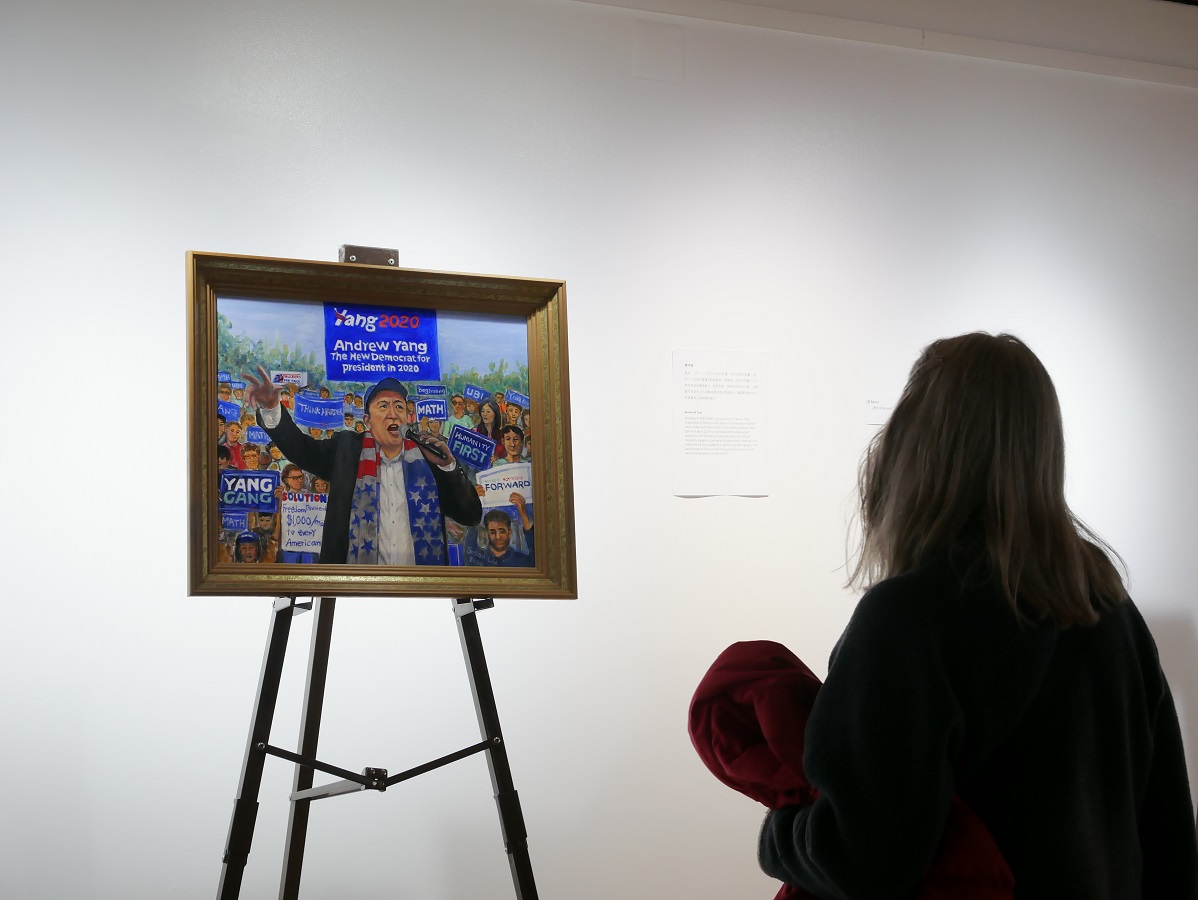
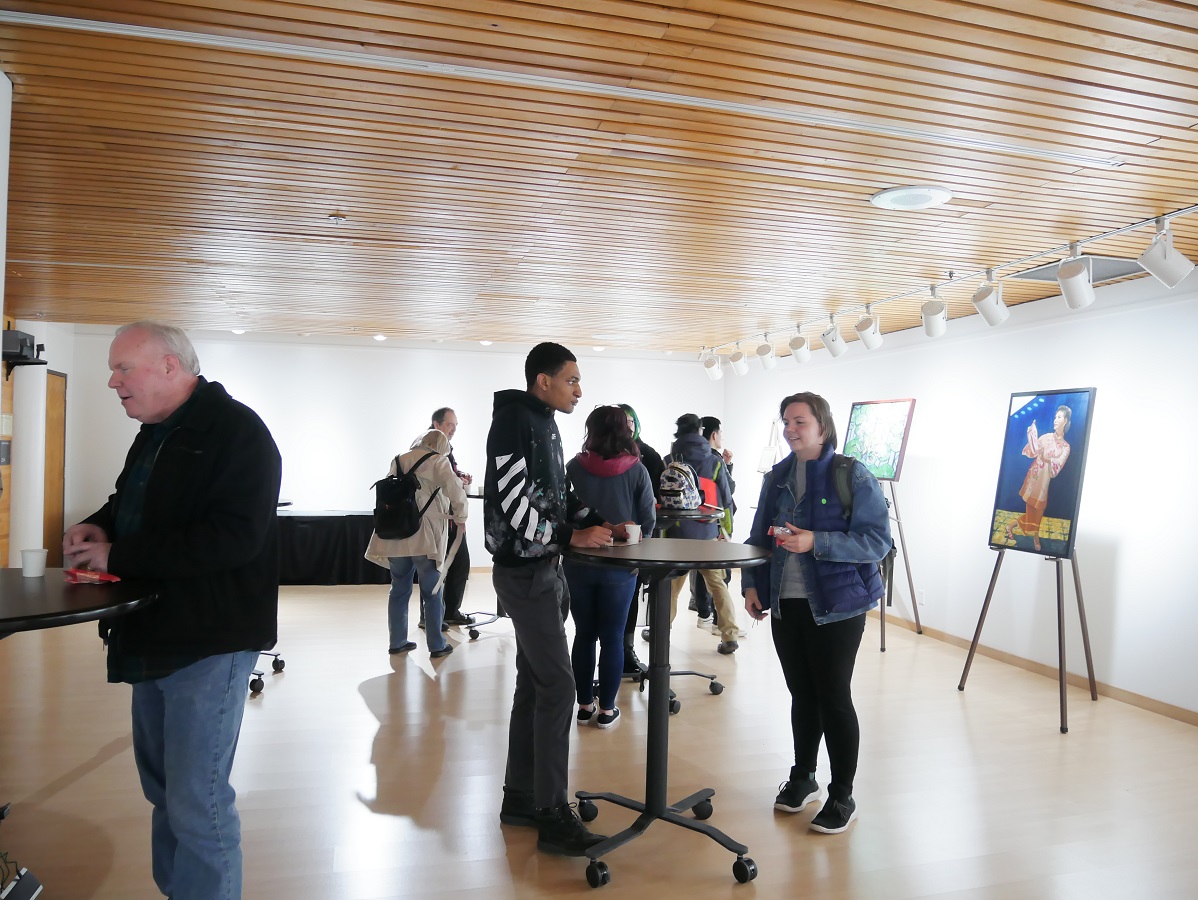
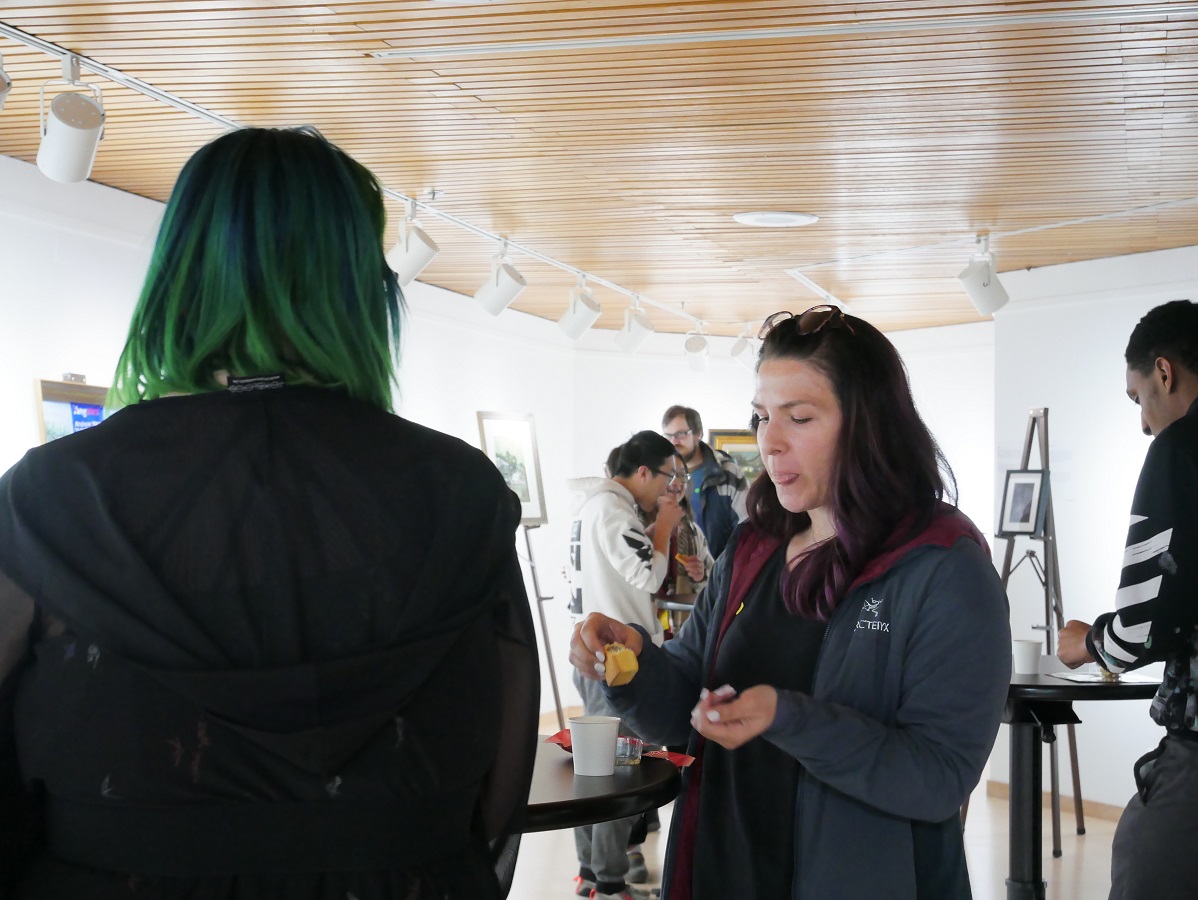
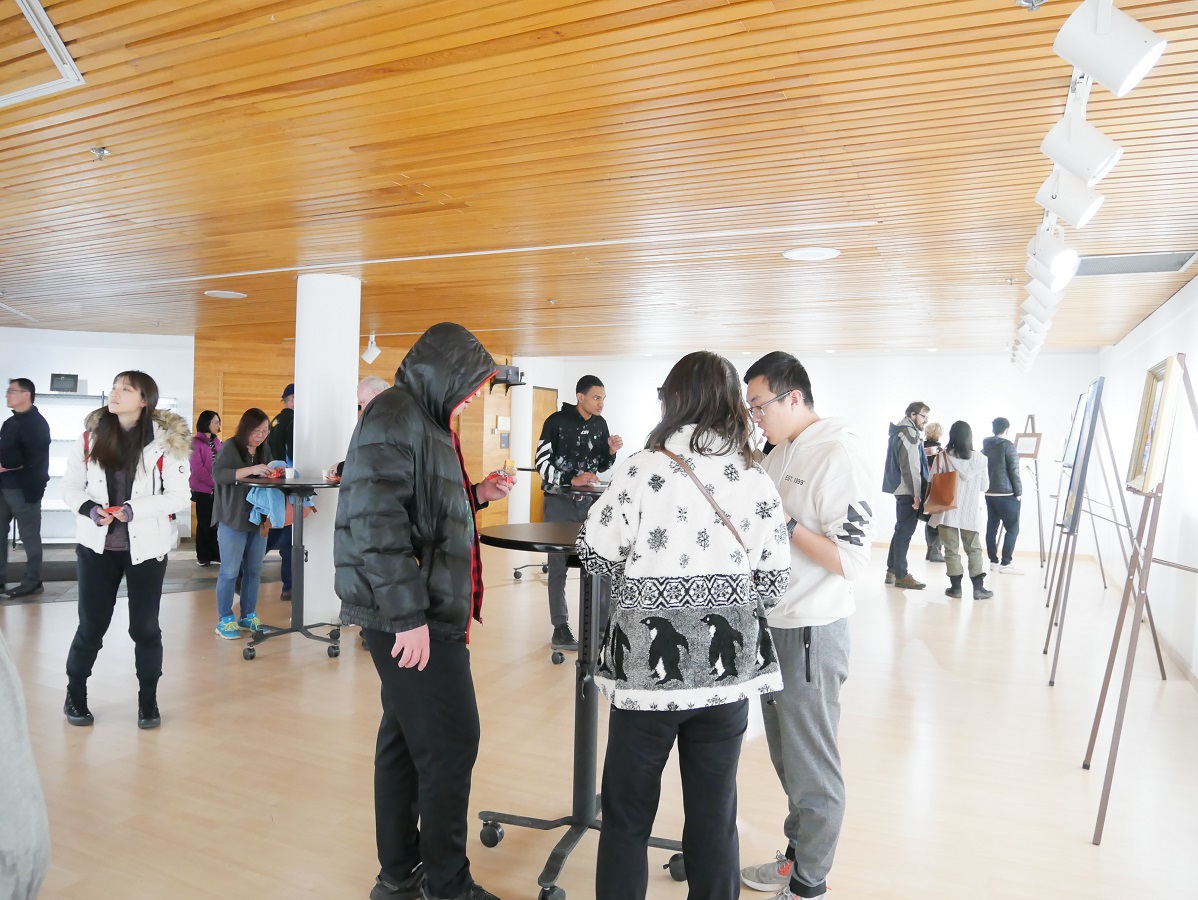
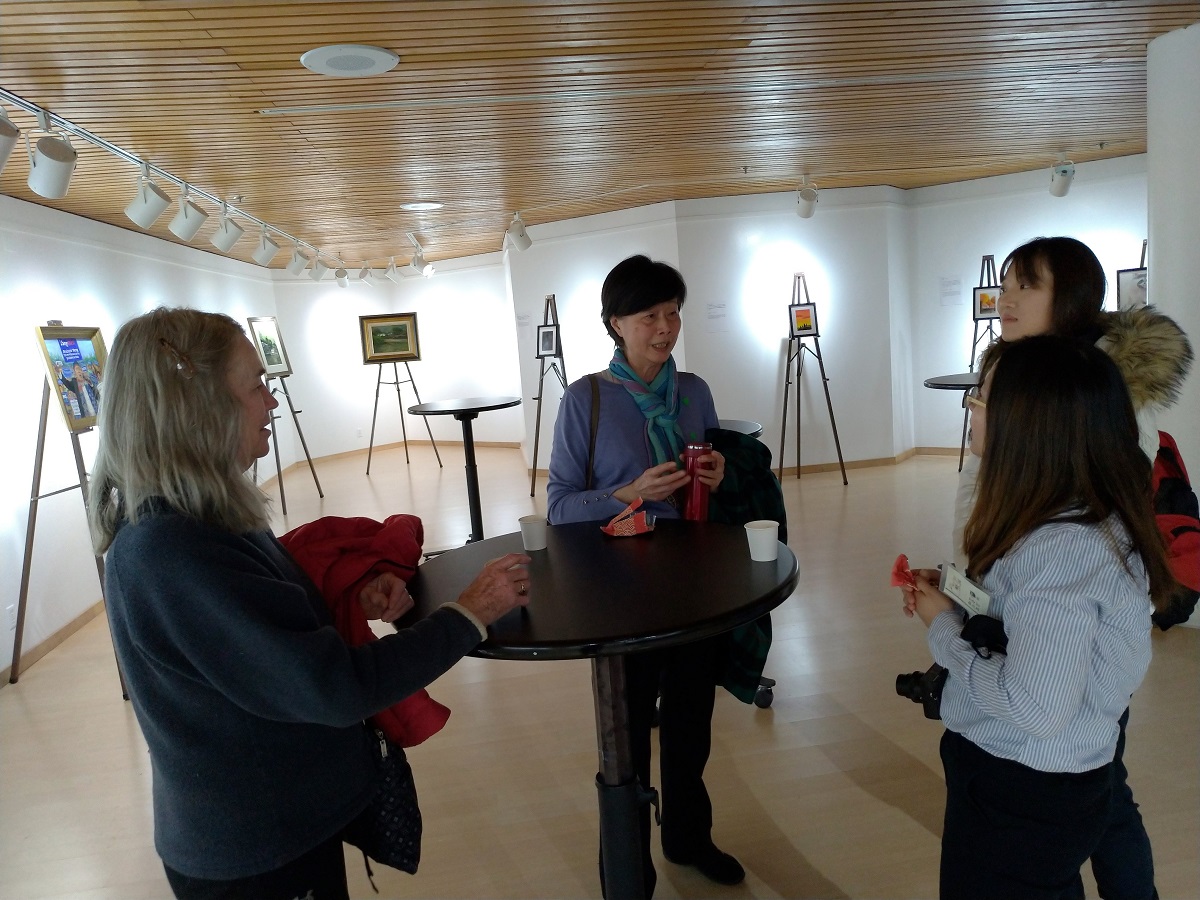
Along with the film, there will be art works from the local Taiwanese community as our special exhibition during the film festival. You will get to know those artists and appreciate their works in this event.
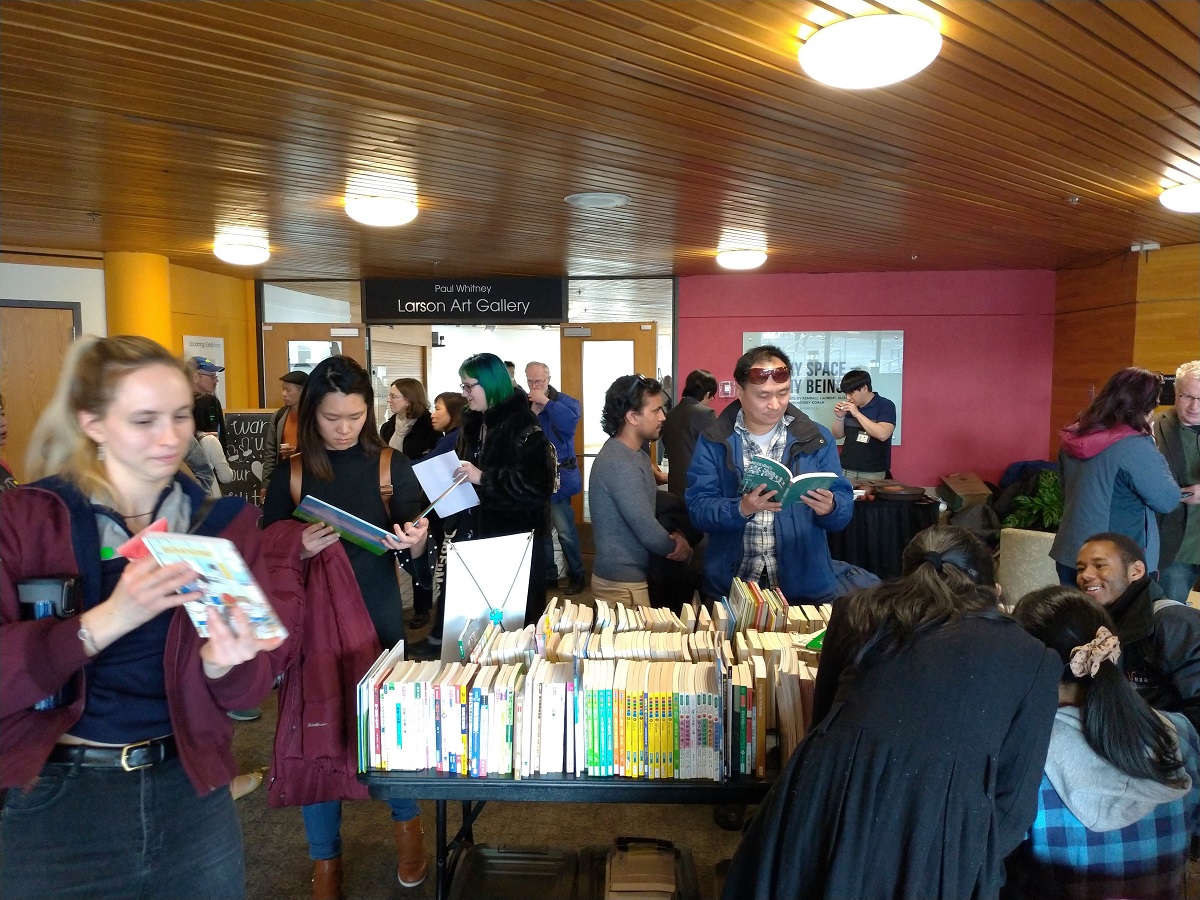
During the event, there will be books from Taiwan Online Library for check-out on the spot.
At the end of the event, please stay and enjoy our delicious Taiwanese dessert and tea. We would love to meet you and listen to your feedback about this event.
Due to limited seats, please sign up in your early convenience to reserve spots and help us prepare the right amount of material.
We are looking forward to seeing you.
Best regards,
Taiwan Online Library
Film : Dust in the Wind
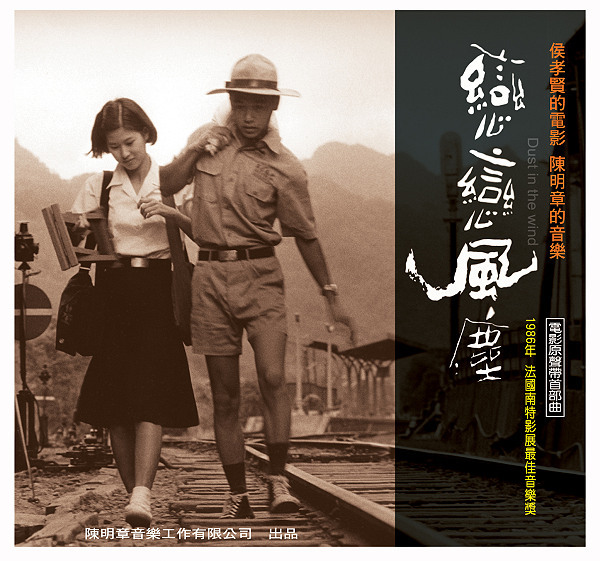
Dust in the Wind. 1986. Taiwan. Directed by Hou Hsiao-Hsien. With Wang Ching-Wen, Hsin Shu-Fen, Li Tien-Lu. 35mm. In Taiwanese; English subtitles. 110 min.
A mesmerizing tracking shot, taken from the front of a train, opens Dust in the Wind. Emerging from a pitch-black tunnel, we see bright, green, mountainous terrain in the countryside of Taiwan.
As the train goes in and out of tunnels, we are transported between an urban Taipei and a rural mining village. Two young lovers from this village give up high school to work in the big city, in a nostalgic portrayal of the changing Taiwan of the early 1970s, where modernization creates disturbances in traditional life. Dust in the Wind marks the second collaboration between Hou Hsiao-Hsien and Lee, who together would continue to make the films about ordinary life that formed the basis of the Taiwan New Cinema movement.
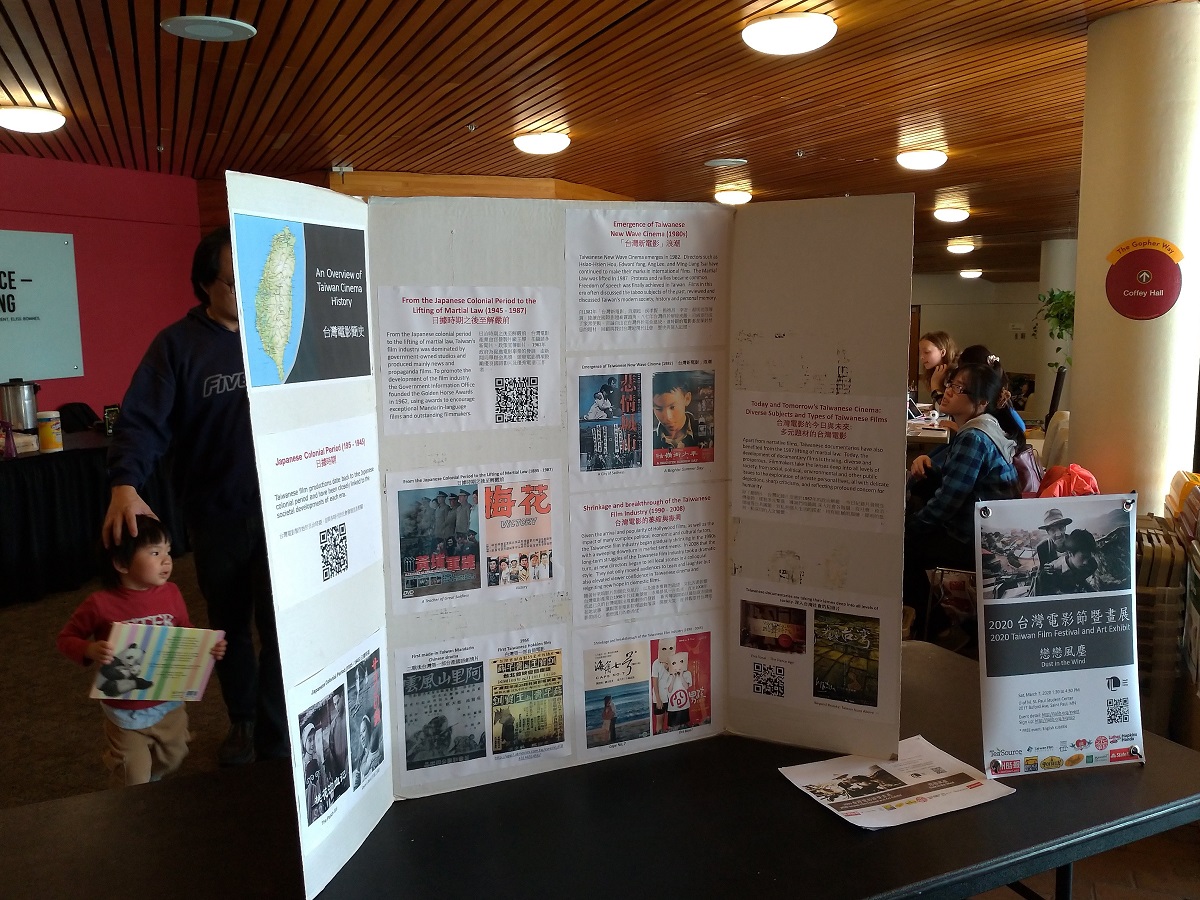
Taiwanese New Wave Cinema
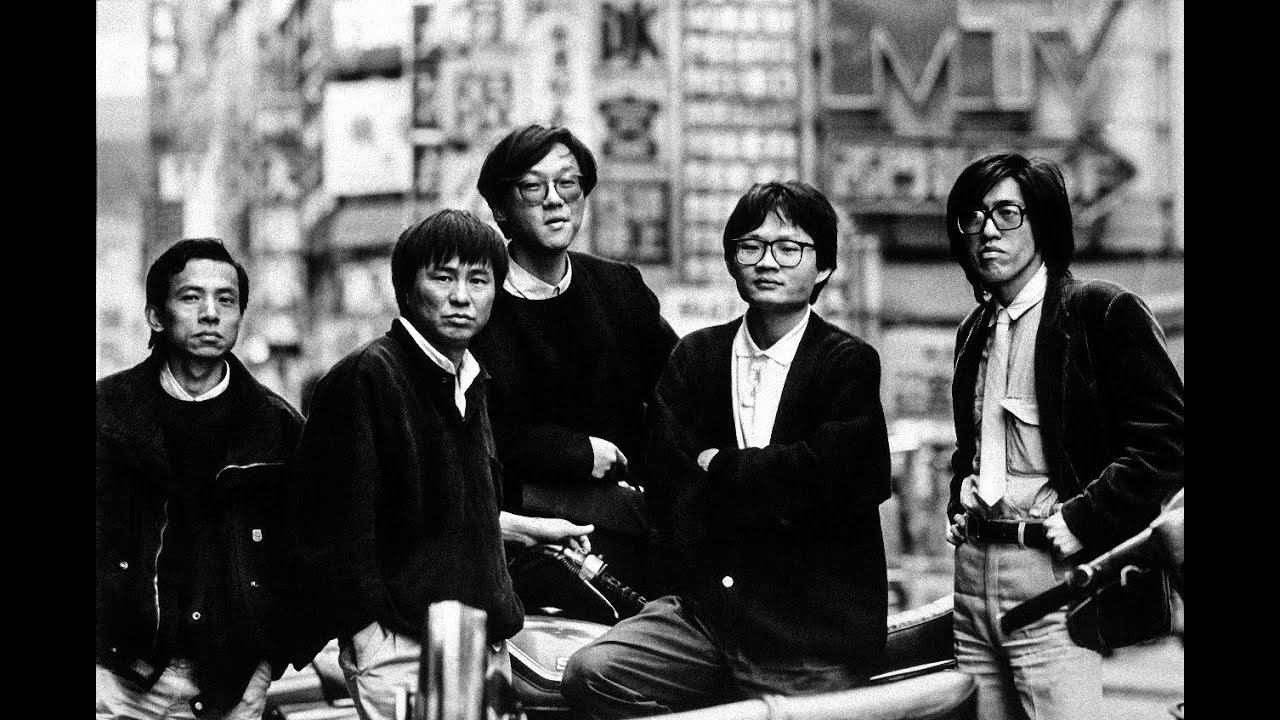
In 1980, Taiwanese cinema began to struggle due to competition from Hong Kong films and the convenience of home videos. In order to boost the industry, the Central Motion Picture Corporation (CMPC) started a project to support new Taiwanese directors. This began the rejuvenation of Taiwanese cinema known as the New Wave. New Wave films were known for their realistic depiction of life, which was a contrast to the melodramas or kung-fu action that were more common in the decades before. New Wave film also aimed to portray realistic tales of life in Taiwan. The emphasis on realism led to the comparison between these films and films of the Italian Neorealism movement.
'Dust in the wind' is one of the important films from this movement. This film was dirdcted by Hou Hsiao-hsien, and written by Wu Nien-jen. Both of them have been a huge impact on the development of the Taiwanese movies.
Director : Hou Hsiao-Hsien
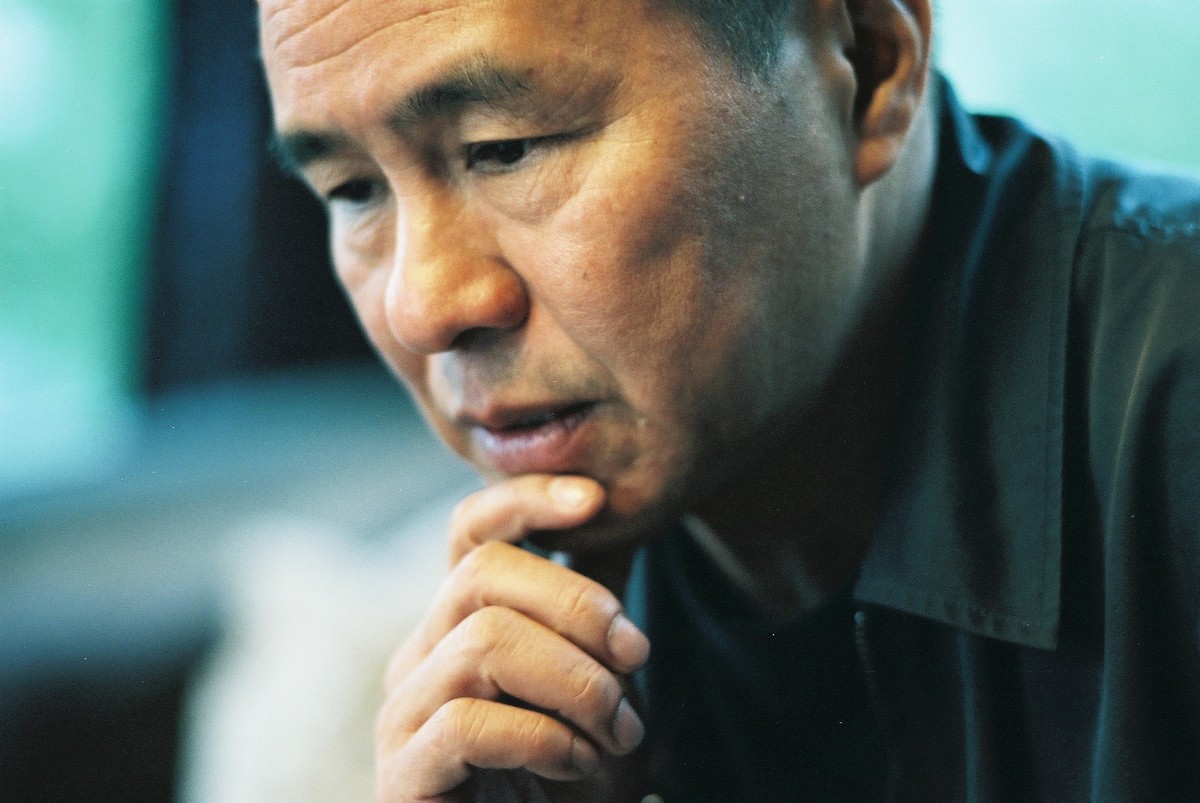
Hou Hsiao-hsien, Taiwanese director known for his austere and aesthetically rigorous dramas dealing with the upheavals of Taiwanese (and occasionally larger Chinese) history of the past century by viewing its impacts on individuals or small groups of characters. A City of Sadness (1989), for example, portrays a family caught in conflicts between the local Taiwanese and the newly arrived Chinese Nationalist government after World War II. It was groundbreaking for broaching the long-taboo February 28 Incident and ensuing White Terror. It became a major critical and commercial success, and garnered the Golden Lion award at the 1989 Venice Film Festival, making it the first Taiwanese film to win the top prize at the prestigious international film festival.
His storytelling is elliptical and his style marked by extreme long takes with minimal camera movement but intricate choreography of actors and space within the frame. He uses extensive improvisation to arrive at the final shape of his scenes and the low-key, naturalistic acting of his performers. His compositions are decentered, and links between shots do not adhere to an obvious temporal or causal narrative logic. Without abandoning his famous austerity, his imagery has developed a sensual beauty during the 1990s, partly under the influence of his collaboration with cinematographer Mark Lee Ping-Bin. Hou's consistent screenwriting collaborator since the mid-1980s has been the renowned author Chu T’ien-wen, a collaboration that began with the screenplay for Chen Kunhou's 1983 film, Growing Up. He has also cast revered puppeteer Li Tian-lu as an actor in several of his movies, most notably The Puppetmaster (1993), which is based on Li's life.
Hou's films have been awarded top prizes from prestigious international festivals such as the Venice Film Festival, Cannes Film Festival, Berlin Film Festival, Hawaii International Film Festival and the Nantes Three Continents Festival. Six of his films to date have been nominated for the Palme d'Or (best film award) at the Cannes Film Festival. Hou was voted "Director of the Decade" for the 1990s in a poll of American and international critics put together by The Village Voice and Film Comment.
The Hou's films won awards
The Boys from Fengkuei (1983)
The film won the Golden Montgolfiere award (tied with Wanderers of the Desert (1984)) at the 1984 Nantes Three Continents Festival.
A Summer at Grandpa's (1984)
The film won a Best Director award for Hou at the 1984 Asia-Pacific Film Festival and the Golden Montgolfiere award (tied with The Runner (1984)) at the 1985 Nantes Three Continents Festival, and the Prize of the Ecumenical Jury - Special Mention at the 1985 Locarno International Film Festival.
A Time to Live, A Time to Die (1985)
The film won a grand total of 8 awards from film festivals all over the world: a Special Jury Award at the 1985 Asia-Pacific Film Festival, a FIPRESCI Prize at the Forum of New Cinema at the 1986 Berlin International Film Festival (or Berlinale), a Best Original Screenplay (Hou Hsiao-hsien and Chu T’ien-wen), a Best Supporting Actress (Ru-Yun Tang) at the 1985 Golden Horse Film Festival, a Special Jury Award at the 1986 Hawaii International Film Festival, a Rotterdam Award for Best Non-American/Non-European Film at the 1987 Rotterdam International Film Festival, a Kinema Junpo Award at the 1990 Kinema Junpo Awards (also for Dust in the Wind), and a Special Jury Prize at the 1986 Torino International Festival of Young Cinema.
Dust in the Wind (1986)
The film won a Kinema Junpo Award for Best Foreign Language Film Director at the 1990 Kinema Junpo Awards (shared also with his previous film, A Time to Live, A Time to Die (1985)), and Best Cinematography Mark Lee Ping Bin and Best Score (Hou Hsiao-hsien) at the 1987 Nantes Three Continents Festival.
Daughter of the Nile (1987)
The film won a Best Original Film Score award (Hung-yi Chang) at the 1987 Golden Horse Film Festival and also a Special Jury Prize in the International Feature Film Competition at the 1987 Torino International Festival of Young Cinema.
A City of Sadness (1989)
The film won Best Director and Best Leading Actor (Sung Young Chen) awards at the 1989 Golden Horse Film Festival. The film won a Kinema Junpo Award for Best Foreign Language Film at the 1991 Kinema Junpo Awards, a Best Foreign Language Film award at the 1991 Mainichi Film Concours, and a Special Award from the USA Political Film Society in 1990.
The Puppetmaster (1993)
The Puppetmaster won FIPRESCI Prize at the 1994 Istanbul International Film Festival, the Georges Delerue Prize at the 1993 Ghent International Film Festival, the Distribution Help Award at the 1994 Fribourg International Film Festival (tying with Kosh ba kosh (1993)), and Best Cinematography (Ping Bin Lee), Best Makeup & Costume Design (Pei-yun Juan and Kuang-Hui Chang), and Best Sound Effects (Duu-Chih Tu) at the 1993 Golden Horse Film Festival.
Good Men, Good Women (1995)
The film won Best Director and Best Art Direction (Hsien-Ko Ho, Wen-Ying Huang and Ming-Ching Lu) awards at the 1996 Asia-Pacific Film Festival, Golden Deer awards for Best Director and Best Film at the 1996 Changchun Film Festival, a Special Jury Award from the 1996 Fribourg International Film Festival, the Golden Maile award for Best Narrative Feature at the 1995 Hawaii International Film Festival, and a FIPRESCI/NETPAC Award (tied with Hkhagoroloi Bohu Door (1995)) and a Special Achievement Award at the 1996 Singapore International Film Festival
Goodbye South, Goodbye (1996)
The film won a Best Original Film Song award (for composer/lyricist/performer Giong Lim and his song "Self-Destruction") at the 1996 Golden Horse Film Festival and Awards.
Flowers of Shanghai (1998)
The film won Best Director and Best Art Director (Wen-Ying Huang) at the 1998 Asia-Pacific Film Festival, the Golden Crow Pheasant award at the 1999 International Film Festival of Kerala, as well as a Jury Award and a Best Art Direction award (Wen-Ying Huang and Chih-Wei Tsao) at the 1998 Golden Horse Film Festival.
Millennium Mambo (2001)
Hou won the Silver Hugo award at the 2001 Chicago International Film Festival, and a Best Director award as well as a Grand Prix award at the 2001 Ghent International Film Festival.
Café Lumière (2003)
The film won the Golden Tulip award at the 2005 Istanbul International Film Festival.
Three Times (2005)
The film won Best Actress (Shu Qi), Best Taiwanese Film of the Year and Best Taiwanese Filmmaker of the Year awards. The film also won the Grand Prix / Golden Apricot award for Best Film at the 2006 Yerevan International Film Festival, a Jury Prize from the 2005 Tallinn Black Nights Film Festival
Flight of the Red Balloon (2007)
The film won Best Film and Best Director awards in an Indiewire Critics' Poll taken in 2008.
The Assassin (2015)
The film won the Best Director award at the 2015 Cannes Film Festival, where composer Giong Lim also won the Cannes Soundtrack Award.The film also swept the 2015 Golden Horse Film Festival and Awards, winning a grand total of five awards: Best Director, Best Feature Film, Best Cinematography (Ping Bin Lee), Best Makeup & Costume Design (Wen-Ying Huang), and Best Sound Effects (Duu-Chih Tu, Shih Yi Chu, Shu-yao Wu).
Scriptwriter : Wu Nien-Jen
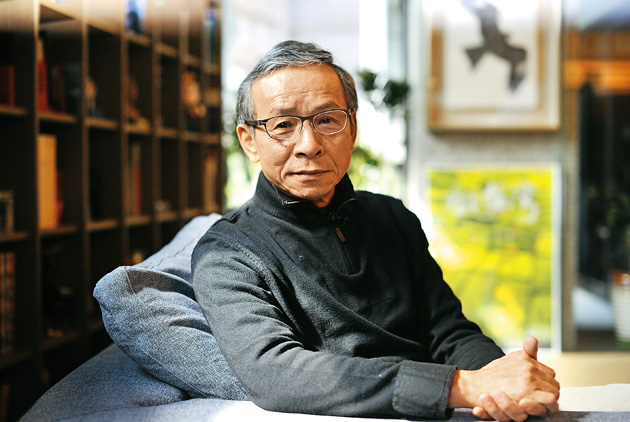
Wu Nien-Jen is the well known scriptwriter, director, and author in Taiwan. He was born in a coal miner's family in 1952 and raised in Jiu Fen, a mining town in northern Taiwan. He spent his childhood and youth suffering financially, emotionally and physically. However, these struggles have nurtured him for gaining keen observation and empathy, which helped him create many works that greatly touched a large audience. His popularity can be observed especially from the advertisement on TV he directed. He conveyed the idea precisely for specific group of audience, invoking deep emotion relating to the product, resulted in successful sale.
The series of “The World” is the play he directed, which successfully brought a large audience back to the theater.
He wrote many popular scripts that earned many awards for him.
He also published lots of books that rank high in the book market.
“A Borrowed Life”, the film he directed, won the Grand Prize (Prize of the City of Torino for Best Film - International Feature Film Competition) at the Torino Film Festival in Italy, a FIPRESCI/NETPAC Award at the 1995 Singapore International Film Festival and the Silver Alexander Award as well as the FIPRESCI Prize (International Federation of Film Critics Award) at the 1994 Thessaloniki Film Festival in Greece. It also received the Golden Horse Audience Choice Award in Taiwan.
The Wu's works won awards
- 1981: "Tong Ban Tong Xue" won Best Original Screenplay in 18th Golden Horse Awards.
- 1984: "Old Mao's Second Spring" won Best Original Screenplay in 21th Golden Horse Awards.
- 1986: "The Two of Us" won Best Adapted Screenplay in 23th Golden Horse Awards.
- 1987: "Osmanthus Alley" won Best intermezzo in 24th Golden Horse Awards.
- 1990: "Song of the Exile" won Best Feature Film Screenplay in 27th Golden Horse Awards.
- 1992: "Hill of No Return" won Best Original Screenplay in 29th Golden Horse Awards.
- 1993: "Hi Pe Kha" won Best Lyrics in 5th Golden Melody Awards.
- 1994: "A Borrowed Life" won the Grand Prize (Prize of the City of Torino for Best Film - International Feature Film Competition) at the Torino Film Festival in Italy,and the Silver Alexander Award as well as the FIPRESCI Prize (International Federation of Film Critics Award) at the Thessaloniki Film Festival in Greece.
- 1997: The series of Caring for the native land of the beautiful Taiwan" received received the 32nd Golden Bell Awards for Cooperate Advertising Award.
- 2004: The series Genuine youth of Taiwan 3: an eight-year-old solo traveler" received the 28th Golden Tripod Awards.
- 2006: "These people, those people" received the 41st Golden Bell Awards for the Best Host of Informational Program.
- 2017: He received 37th National Cultural Awards.
The following video was shot by him to encourage and welcome the audiences to participate this event and watch the movie: Dust in the Wind
Musician: Chen Ming-Chang
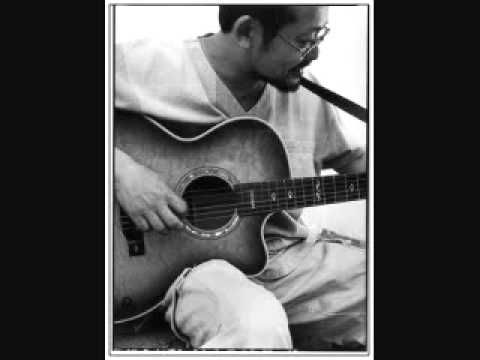
Chen Ming-chang is a singer-songwriter and composer whose works are rooted in Taiwan's culture and traditions. Incorporating the essence of traditional Taiwanese music with a modern style, he has won four international composition awards for best original score for the guitar ballads he composed for films by auteurs Hou Hsiao-hsien, Hirokazu Kore-eda, and Lin Cheng-sheng.
Chen’s childhood was filled with traditional folk elements such as Beiguan and Nanguan music, glove puppet theater, and Taiwanese opera, which enriched his knowledge of local culture and become his source materials for music creation later on.
In 1986, a friend introduced Chen's music to director Hou, who later invited Chen to compose the film score for his feature "Dust in the Wind" which won the Best Original Score Award at the 1987 Three Continents Festival in Nantes for its vivid illustration of the film's theme and rural landscapes of Taiwan. In 1993, Chen composed the film score for Hou's "The Puppetmaster" which won the Best Original Score Award at the Flanders International Film Festival Ghent.
In 1995, Chen wrote another Taiwanese song titled "Odyssey" to illustrate blind singer Lee Ping-huei's life as a street singer. The song became one of the best-known Taiwanese songs and earned him the title of best composer from the 1998 Golden Melody Awards.
Gallery
Susan Hsiu-fang Liu
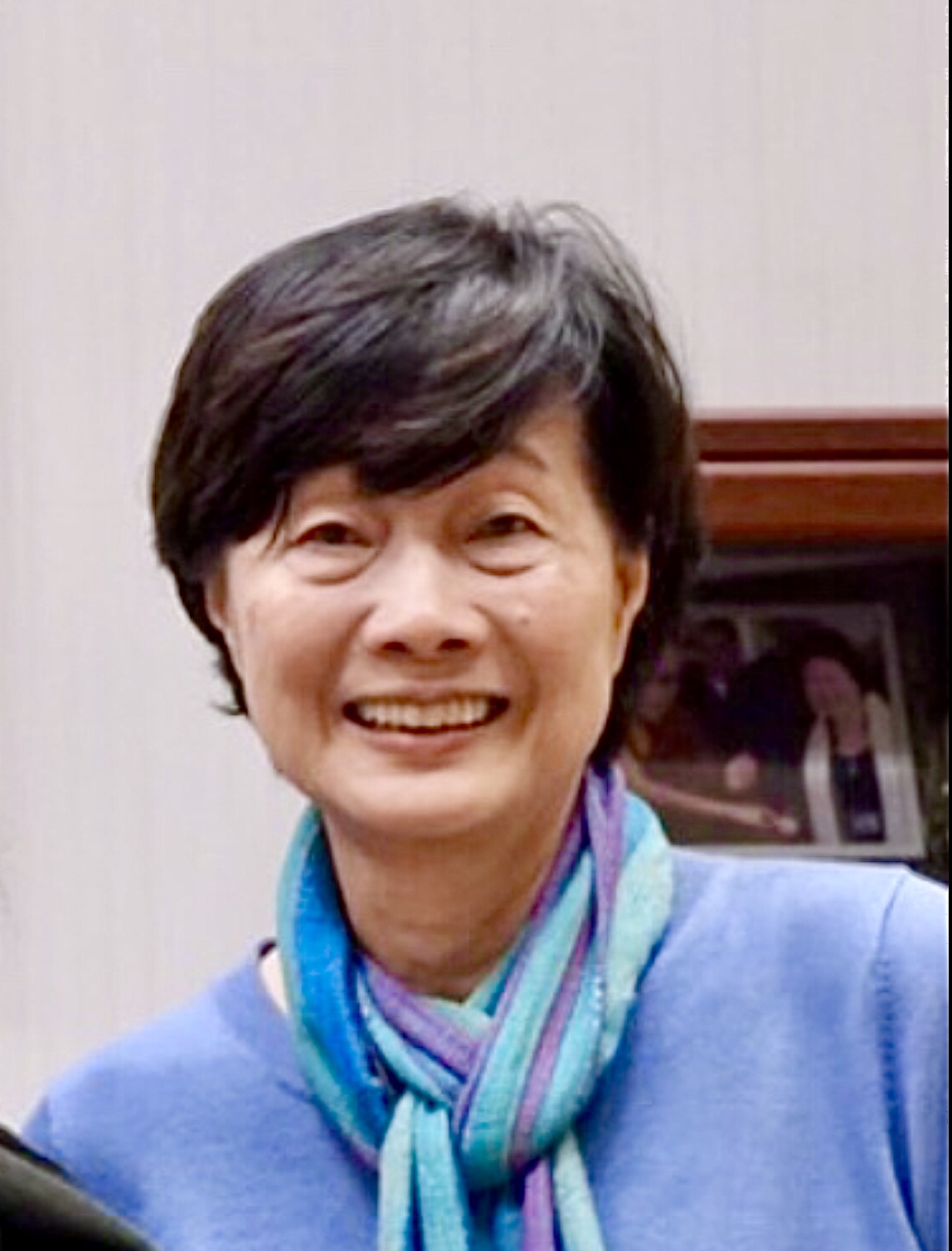
Susan Hsiu-fang Liu was born and raised in Taiwan, and came to the United States in 1974 to study social work. She started painting at the age of forty when she was in search of paintings for decorating her house. She couldn't find anything she liked in her price range, so she decided to create her own. By studying books, taking art classes and workshops, and frequenting art galleries, she realized a new talent. She was a social worker, a computer programmer/analyst, a mother of two children, and currently, a full-time painter.
Susan Hsiu-fang Liu's contact info:
phone: 651-493-8747
email: hsiufangchen@gmail.com
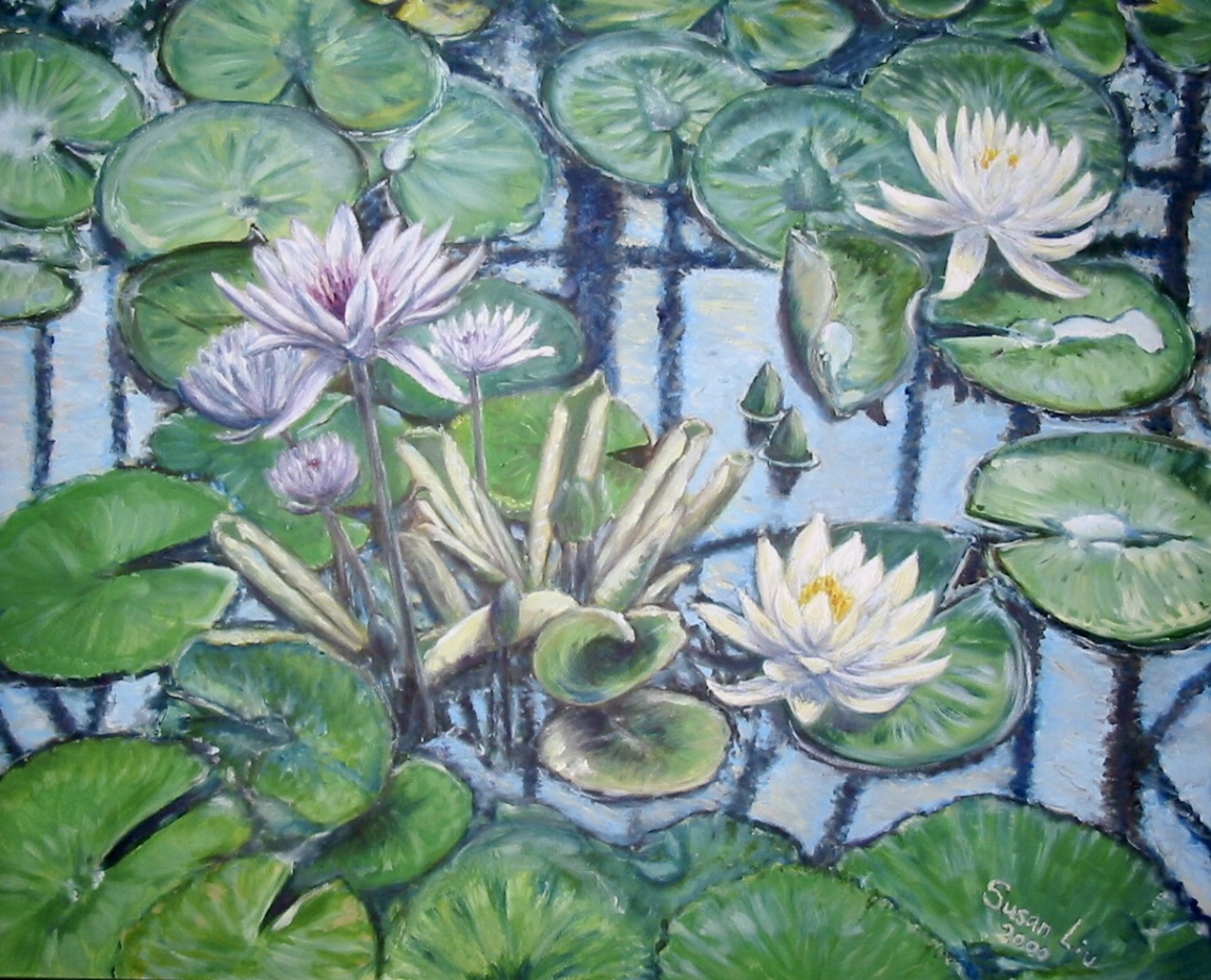
Water Lily
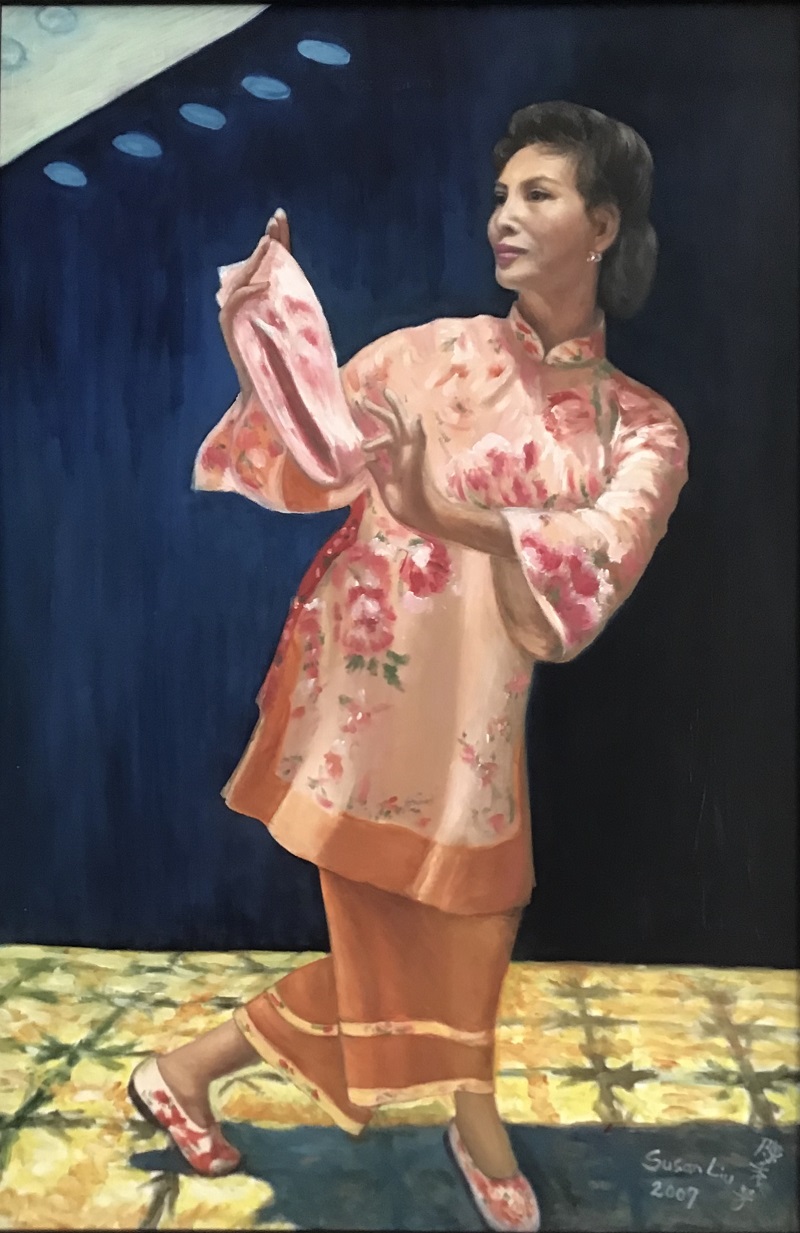
Taiwanese Dancer
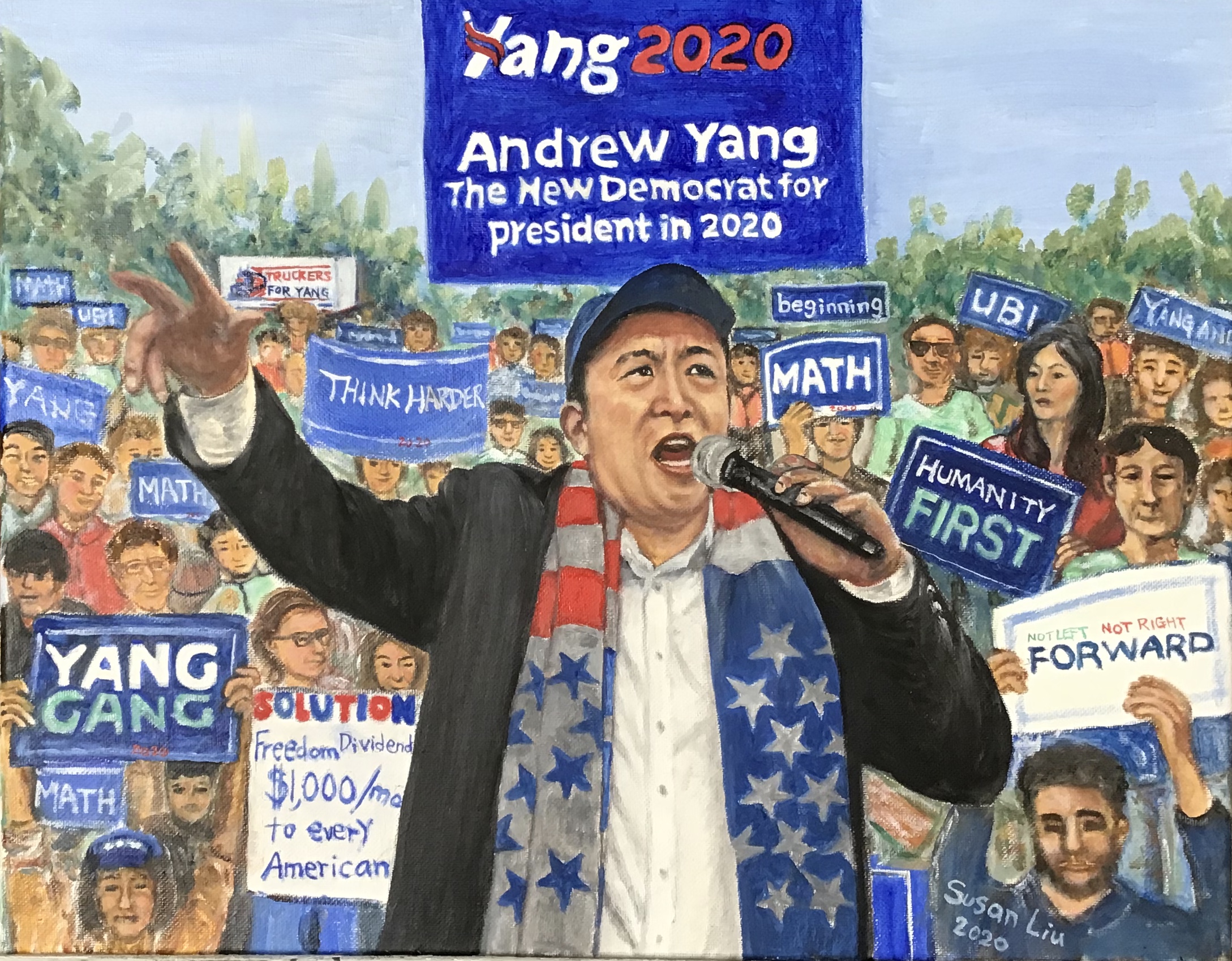
Andrew Yang 2020
Broderick Tsao
Pseudonym: REN-ZHONG Tsao was born in Taiwan, 1952. Enlighted by his father in early days and trained by renowned artists DENG,GUO-QING, DENG,GUO-QIANG, and RAN,MAO-QIN since age of 25, he has participated in numerous art exhibitions over forty years. Tsao now lives in the US and frequently engages in painting at his leisure time. Painting is his hobby and job (his occupation is related to graphic design). The painting style of Tsao primarily focuses on the essence of the nature and sometimes on Still Life Art.
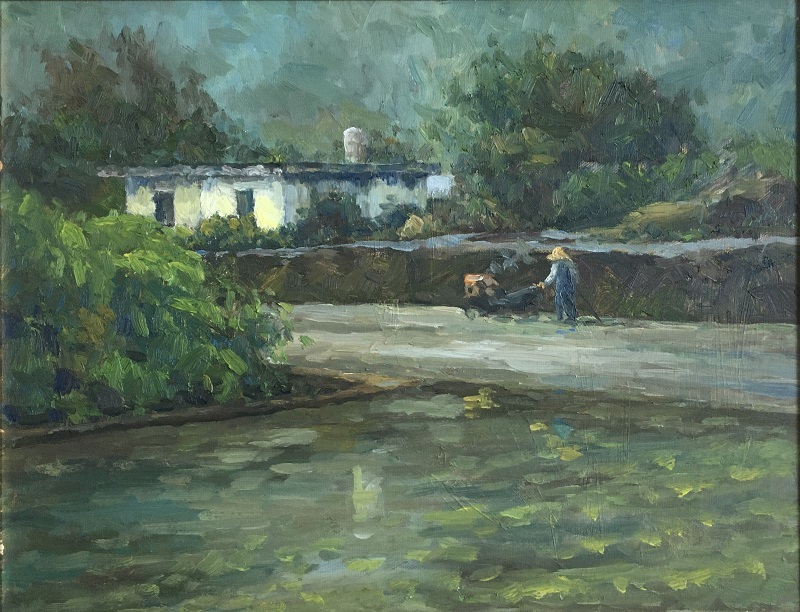
Spring Cultivation
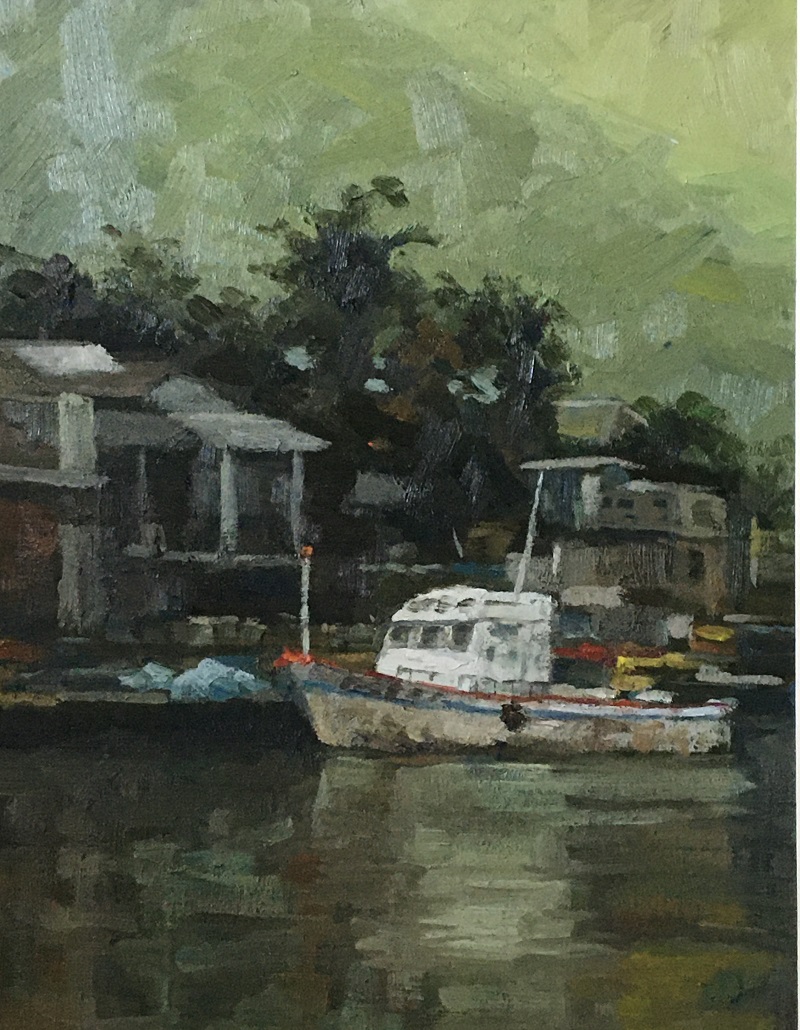
Rest
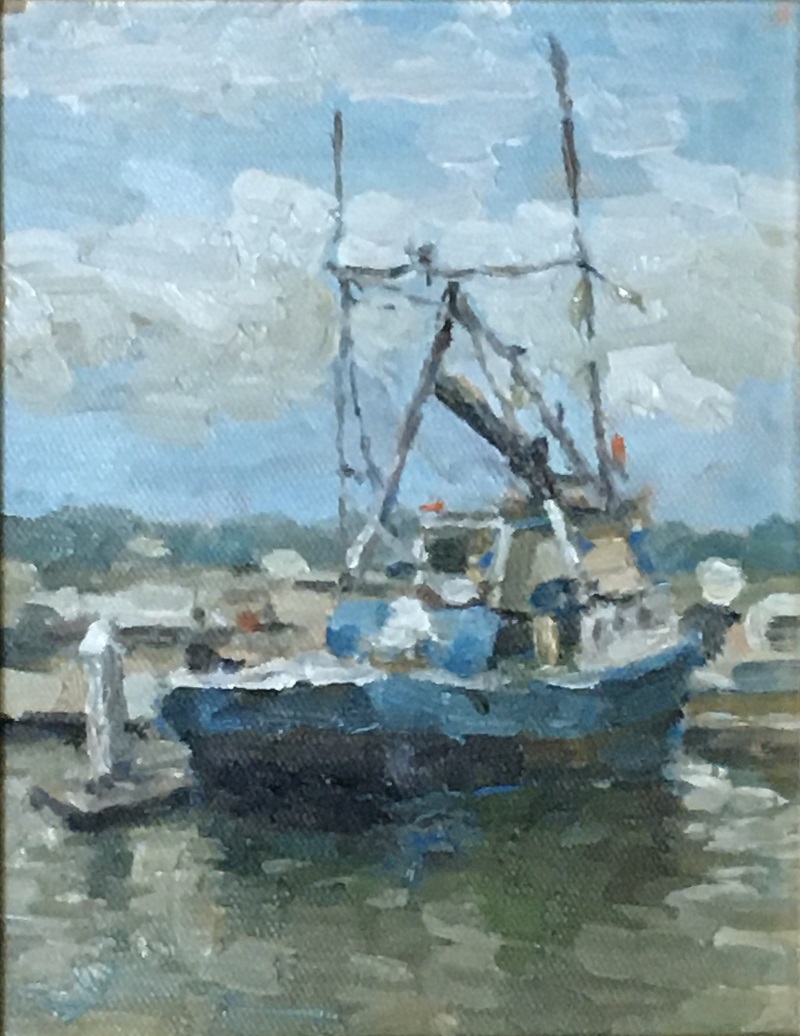
Moor
Felix Cheng
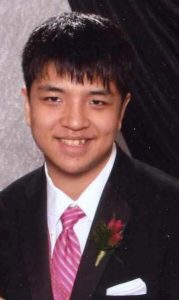
Felix Cheng was born on April 20th, 1992 in Kansas. He moved to Minnesota when he was 5, and procured cable television at the age of 7. Enthralled by the plethora of animation available, he began to diligently doodle the well-loved and memorable characters he is fond of.
Fast-forward to High School, Felix began taking art classes under the supervision of Todd Clercx. During these budding years, Felix was introduced to the world of acrylic paint and graphic design. During his senior year, his self-portrait was selected as a part of an exhibition at the Har Mar Mall.
After graduation, Felix went to the North St. Paul Next Step Transition Program and had continued developing his skills in acrylic painting, as well as exploring the new medium of oil painting. He had also forayed into the world of Flash animation. He had produced over 50 paintings, and also produced “Aldrid Von Pectos the Strong Man,” a Flash animation. The animation was produced from March 28th 2011 to November 10th, 2013 back when he took a Design and Interactive Media class at Northeast Metro 916, which is currently located at the Century College East Campus.
Felix took classes at Century College after graduating from Next Step, which lasted for three years. He majored in 3D animation and got his diploma after two years at Century and is currently working on Heather’s Under the Weather in 3Ds Max. Felix also took Web Design at Century in which he received his second diploma and is currently a freelance graphic designer.
Goto Felix gallery
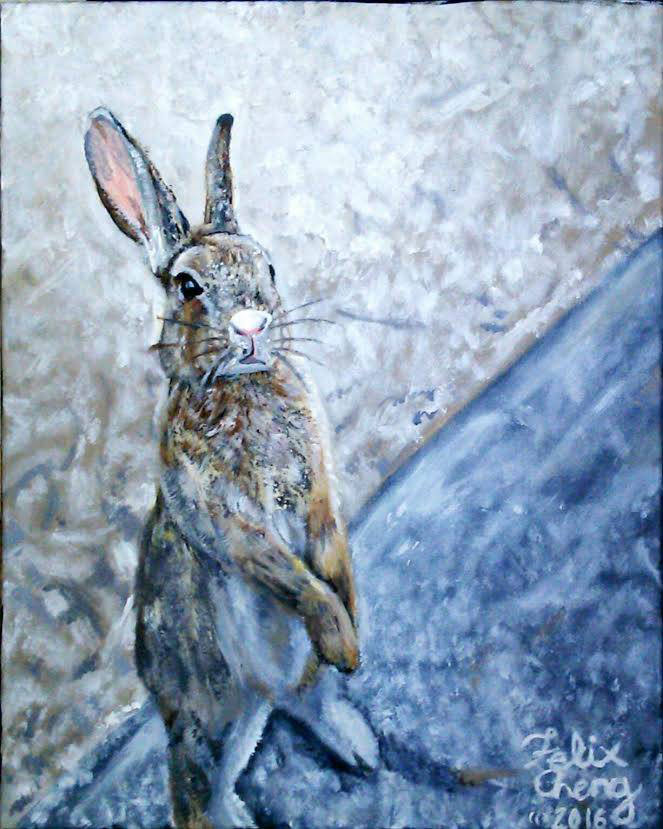
The Standing Rabbit
16"W X 20"H
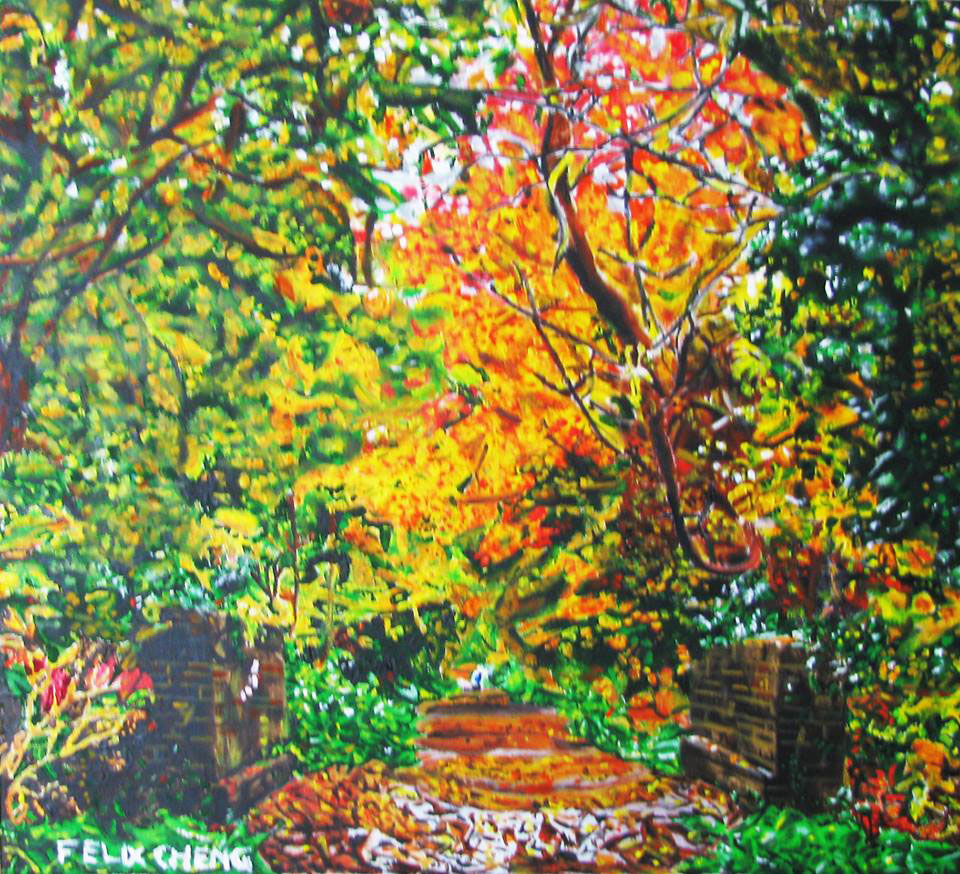
The Autumn Walk
24"W X 24"H
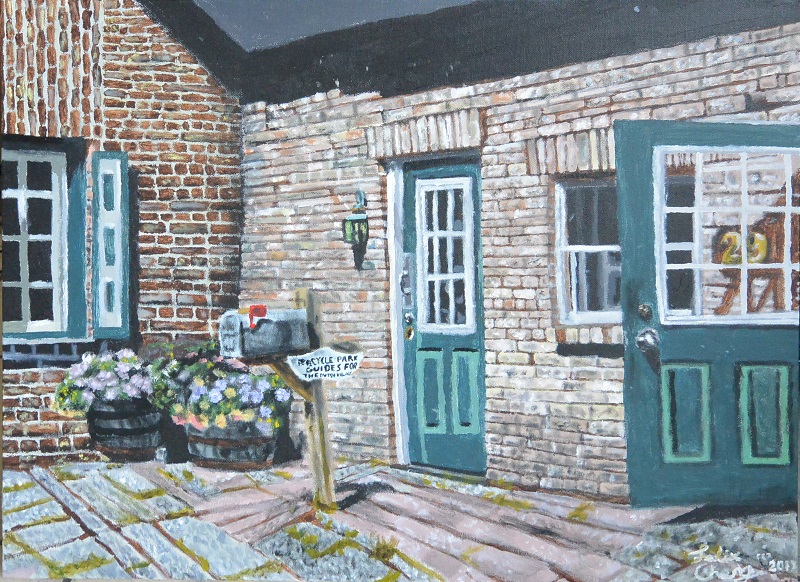
The Dutch Village
24"W X 20"H
Sam Tsai
Grew up in Taiwan. Came to US in 2000, and relocated to Minnesota in 2002. For the illustration in my planning book, I started to draw in 2019 again.
Goto Sam's fan page:
Go to Fansite
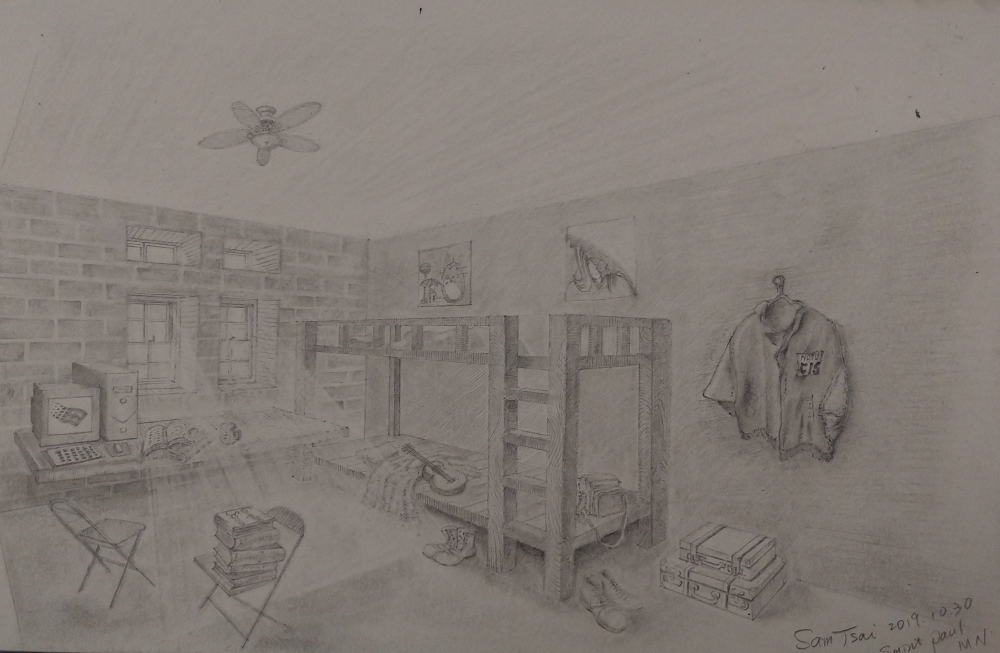
The College Dorm
In the college dorm, a bunk bed is waiting for a tiring body to lay down. The guitar on the lower bed is a simple luxury. Unfolded blanket gives a hint of haste. The shoes under the bed are ready for being put on for a busy schedule. The bright sunshine through the windows displays the feeling of freedom on the sky and a promising future. But the bricks on the wall are like an iron bar in jail locking the body in a tiny space. A big pile of books and the computer urges me to finish the incomplete assignments and projects, and prepare for the coming exams. How can I endure such heavy burden? I climb the ladder to the top of the bunk bed. During midnight, I have a glance on the luggage in the corner. Suddenly, I realize that I am a passenger in this space and time, residing in temporary time period, then I will move on to my life journey. 15"W X 12"H
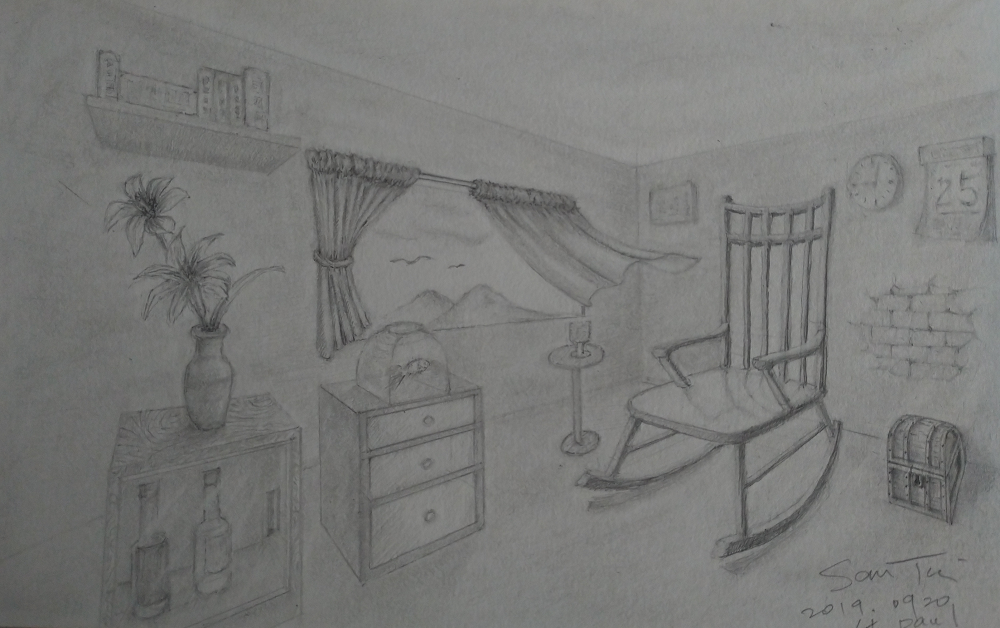
Existence
The meaning of existence is defined by the owner of the fish in the fish tank and the flower in the vase. Wine, books chair, even the house exist for serving their owner. The owner works hard to earn a good life and he earned the certificate displayed on the wall, the wine glass on the small round table, and the rocking chair. But when the owner is not there, all of them lose their existing purpose, at lease for now. The mountain outside, the cloud on the sky, and the wind represent the limitation of the owner's life. When the owner dislikes what happened outside, he/she can simply close the window and curtains. The freedom of the bird in the sky contrasts with the owner's busy life. Clock and calendar on the wall provide the hint of the time flying away. The brick from the mottled wall indicates all of the 'being' will return to 'beginning'. All of hard work will disappear in the river of time, including the treasure box on the back. How do you define the existence ? Is it like the life of fish, flower or the owner's life ? Has existence been existing ? 12"W X 10"H
Anne Tsai
Anne Tsai is a 7th grader born in Minnesota. Her parents came from Taiwan. She loves to draw, saying her skills come from practicing on the basement walls. Anne mostly paints acrylic landscapes and cat cartoons (very different from each other). Also, she has a pet rat called Taro *overload of cuteness*.
Go to Anne's instagram:

Go to Anne's LINE stickers:

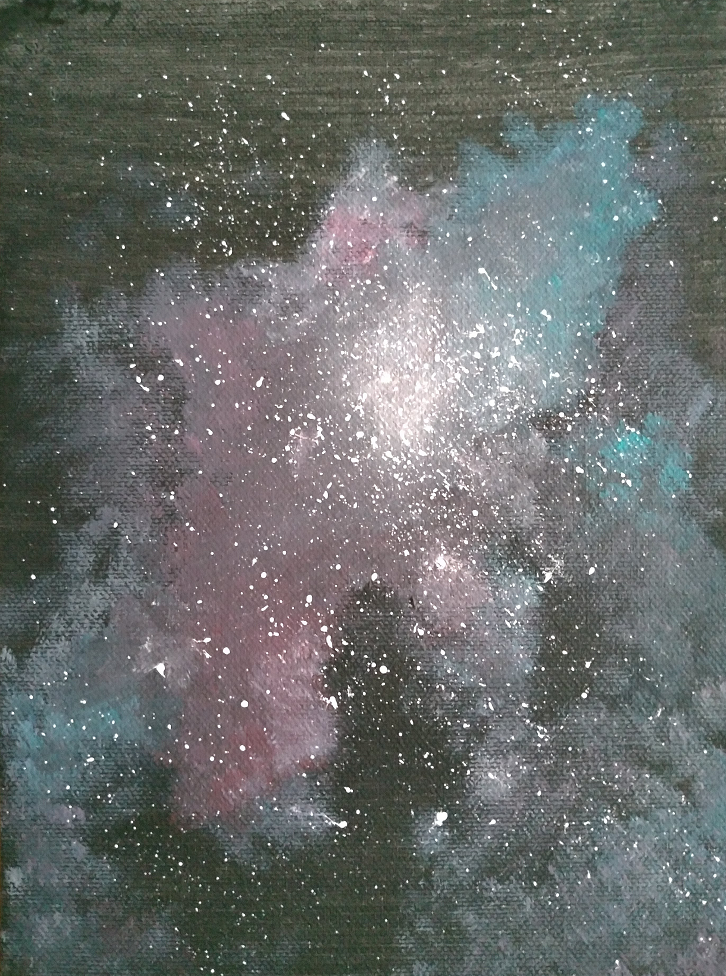
Twilight
When I went to Michigan last year, I was able to see a bajillion stars, Saturn, Jupiter, my first shooting stars, and a satelite! Even though I couldn't take any pictures because it was so dark, the moment remained in my mind, casting inspirations and imaginations. I decided to paint out the night sky, but the hard part was to try and make it natural and imperfect. 9"W X 11"H
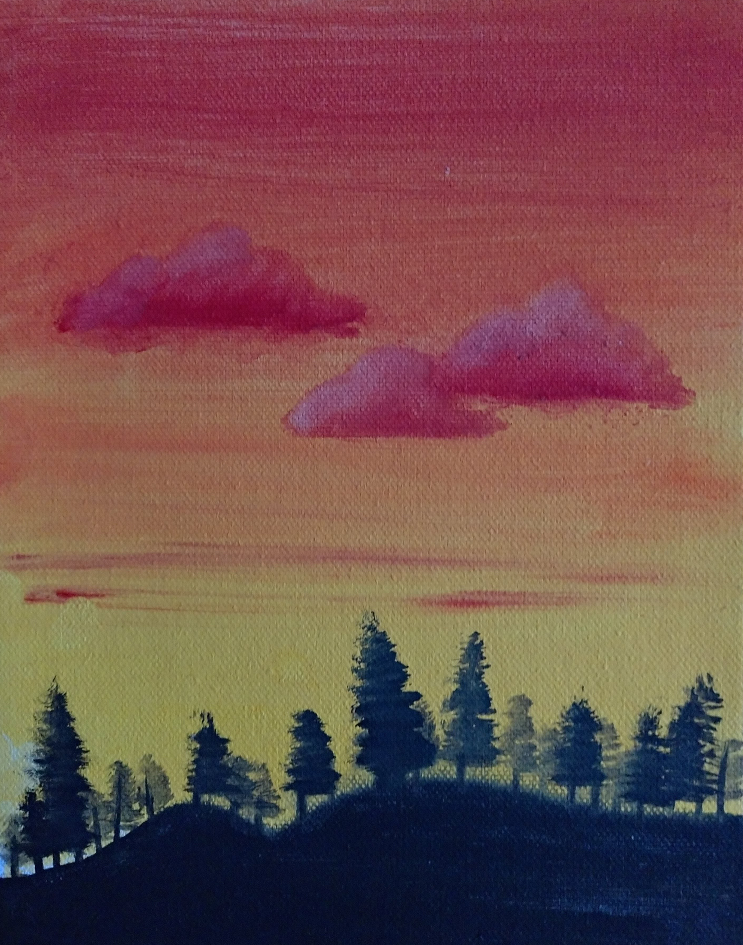
Dusk of Day
My dad said that in Penghu, he could see the sunset or sunrise over the ocean everyday, not knowing others didn't have this opppurtunity. I was always mesmerized by the red clouds and the warm colors blending into each other. 9"W X 11"H
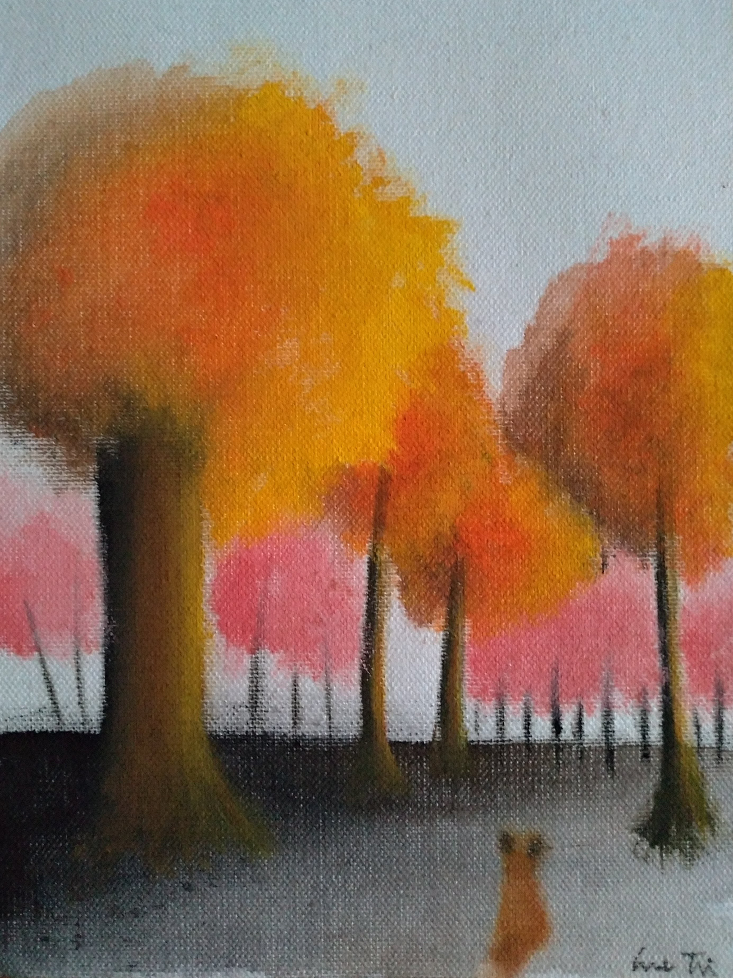
Autumn With Me
In the autumn when you look out onto the Mississippi River, you can see hundreds of trees in varieties of colors. I resembled the scenery onto a couple trees, with a few pink ones since you don't usually see pink trees in Minnesota. Although I can never completely copy nature's beauty, I tried my best--no, semi-best. ;) 9"W X 11"H
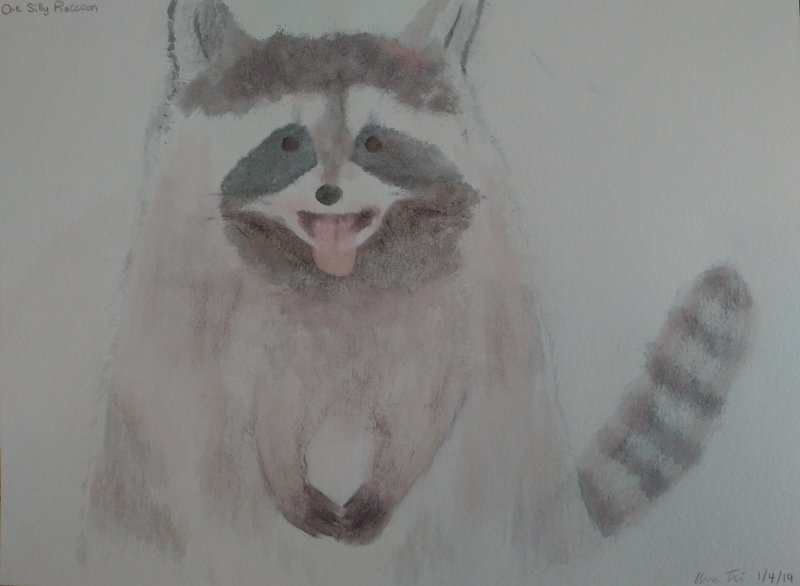
One Silly Raccoon
You might have seen it too, but I saw this viral video of a raccoon stealing cat food. I love how raccoons are adorable, intelligent, and mischievious at the same time. 18"W X 14"H
How to participate Art Exhibit
Please contact librarian@tolib.org
Taiwan High Mountain Tea
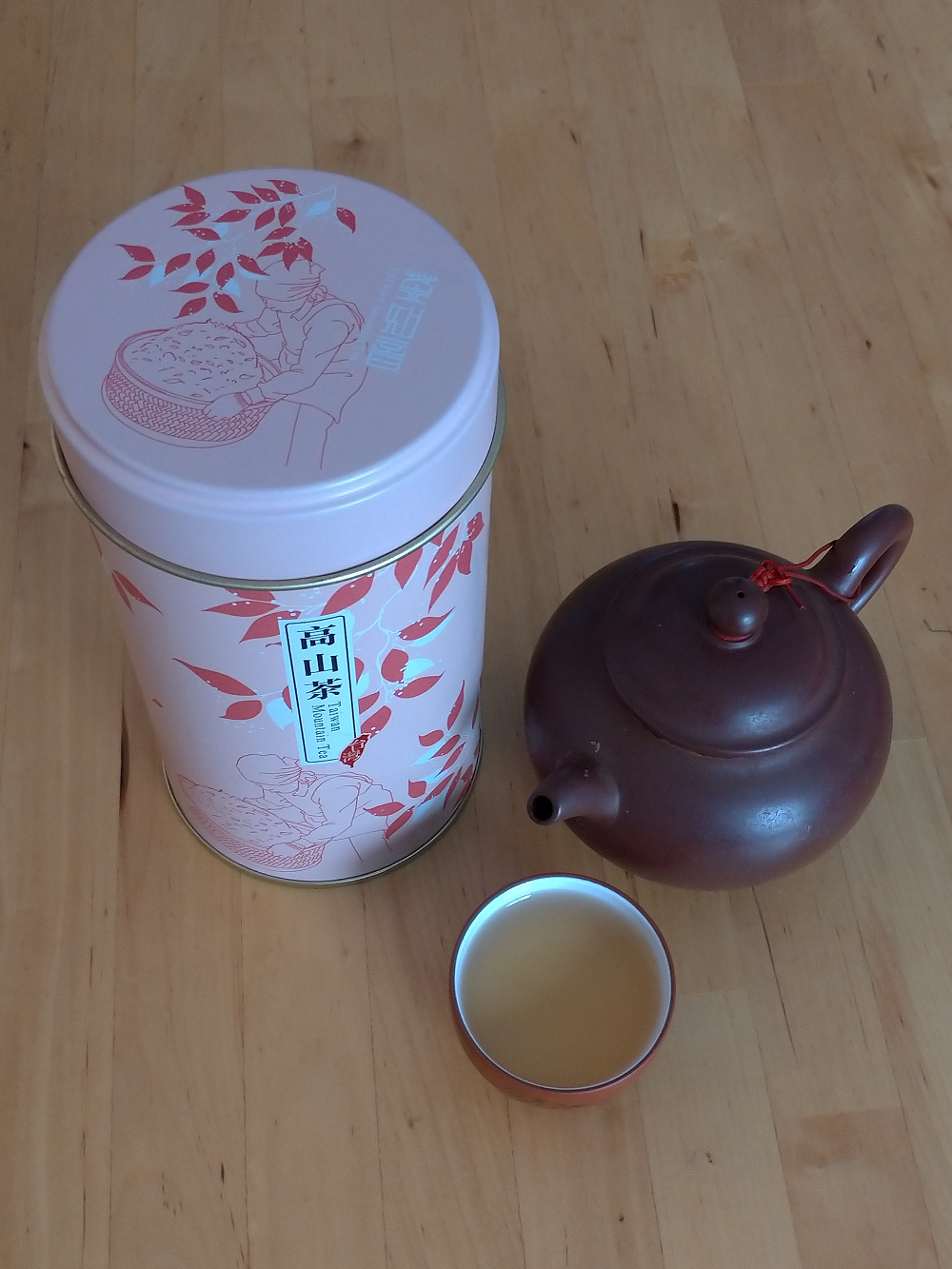
Tea gardens rated the best in the world are in the mountains located in a 50km range on both sides of the Northern Tropic due to its yearlong misty environment. Taiwan lies on the Northern Tropic and is famous for its high mountains. This unique geographic location and natural environment make the tea, especially high mountain tea loved by many.
High mountain tea refers to oolong tea grown in mountains about 1000 meters above sea level, ranging from Dong Ding Oolong tea at 800 meters, Chia-Yi Mei Mountain Oolong tea at 1200 meters, and Hua-Lian Dayuling High Mountain tea at 2600 meters. Ali Mountain is located in Chia-Yi County, Taiwan. It is not only famous for its landscape, but also its high mountain tea. Ali High Mountain Tea is one of the best among all the high mountain tea.
Ali High Mountain Tea is the most widely known general name for lightly oxidized oolong tea, much of it picked in winter and therefore termed “Winter tea”.
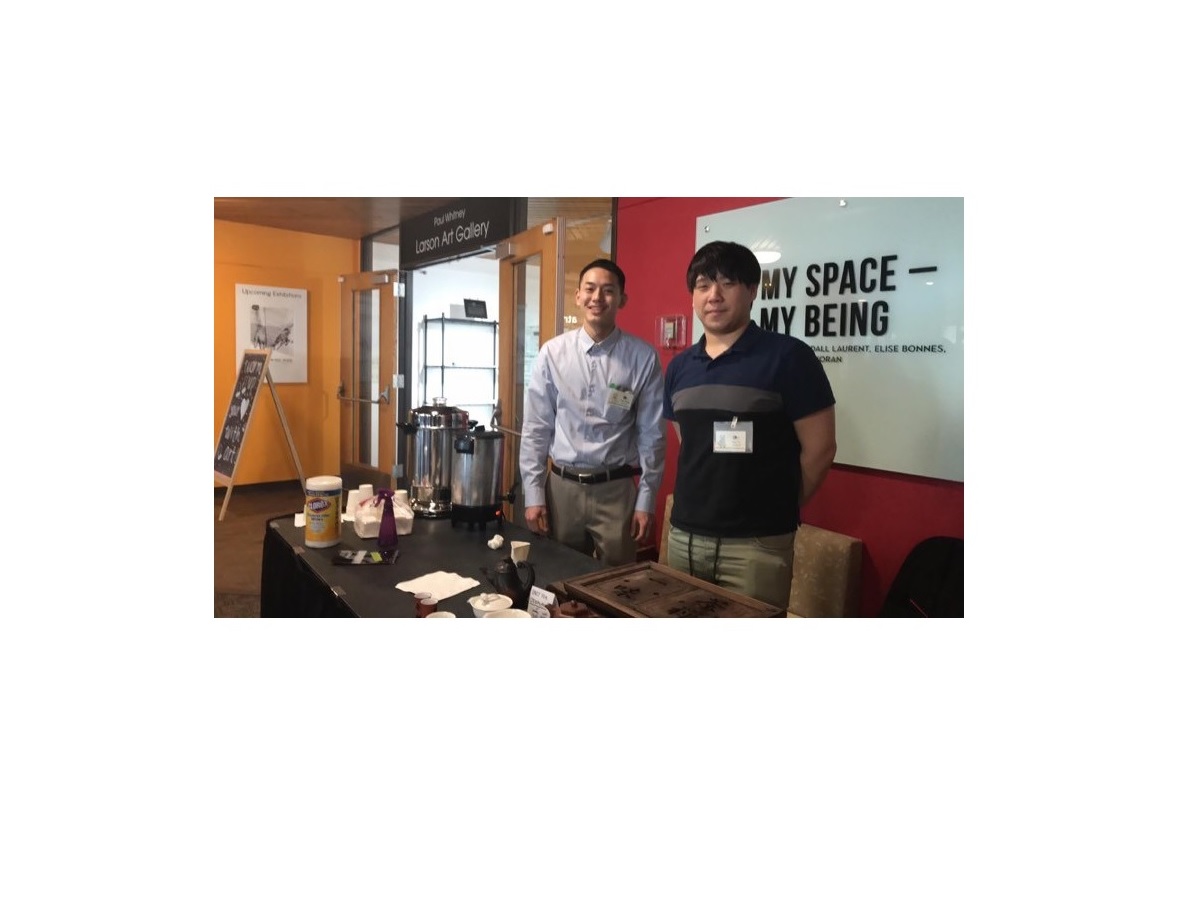
One of the event sponsors, TeaSource, imports many various Taiwan High Mountain tea, serving customers in the Twin Cities. On the event day, we will have a stand for tasting Taiwanese High Mountain tea with the tea leaf donated by TeaSource. Please stop by and taste it. You can also check Taiwan related tea items in the website: https://www.teasource.com
We are proud to provide the high quality Taiwan High Mountain Tea during the event for all of guest to taste the original Taiwan favor.
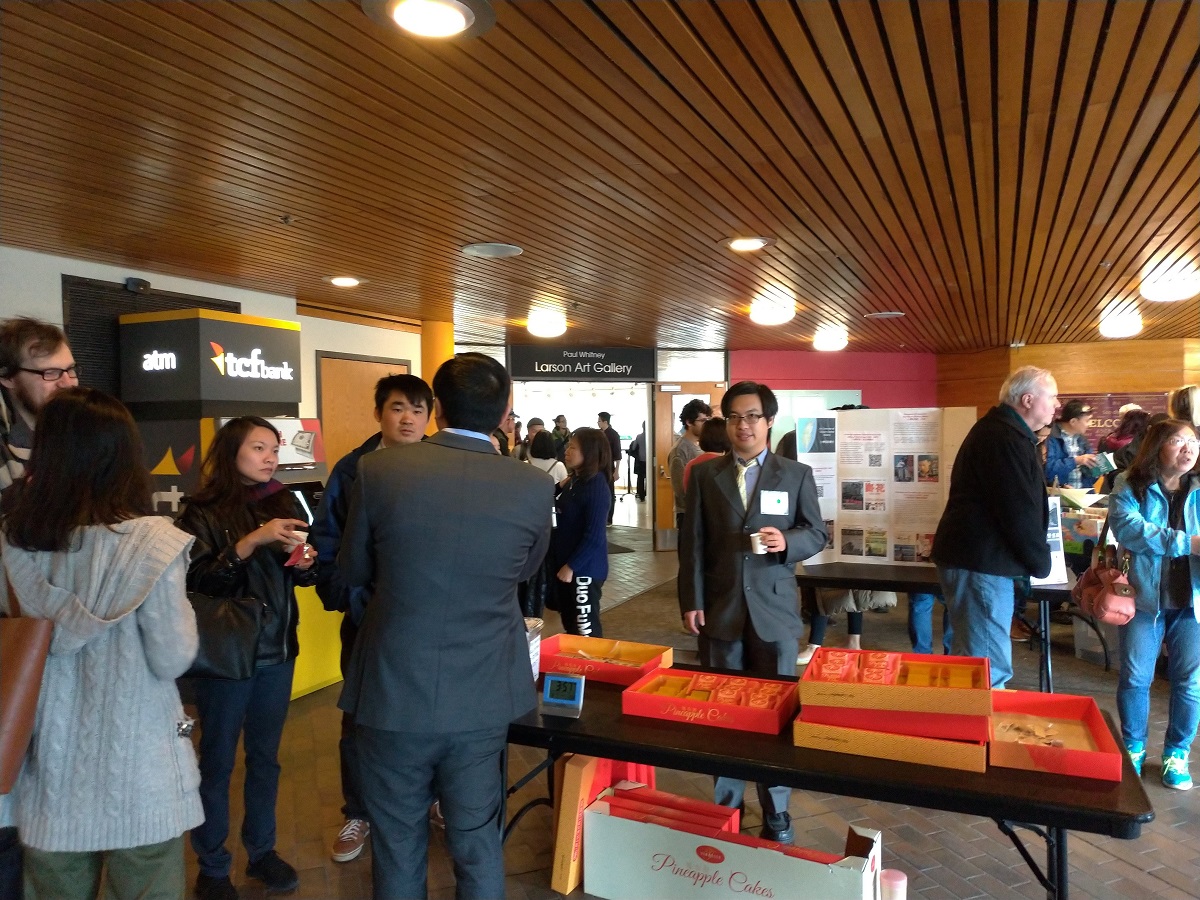
Pineapple Shortcake
Pineapple was an important product during the agricultural era of Taiwan, making it the second largest country exporting pineapple in the 1970s. Plentiful with pineapple, many related products, including pineapple cans, pineapple jams, preserved pineapple and pastry made with pineapple have been made.
In early days, pineapple pastry was only filled with pineapple. However, due to its high content of fiber and sour taste, the overall taste was less satisfying even wrapping with crust made with lard oil. Confiseur started to combine different ingredients with pineapple jam and found winter melon, containing more 90% of water, make a great balance with pineapple. The pineapple and winter melon filling make the most palatable combination: smooth texture, not sticky, and filled with pineapple aroma. Lard oil was also replaced by natural butter to make a crispy crust and better set off the taste and fragrance of pineapple-winter melon filling. This unique flavor has been favored over the years.
In addition, the Taiwanese dialect of pineapple – “Ong Lai” – sounds similar to the phrase in Mandarin meaning “prosperity has arrived” and “fertility, household exuberant.” Therefore, pineapple pastry is often used to worship gods and served as one of the six gifts in traditional Taiwan engagement wedding (each distinct flavor represents one gift). Pineapple pastry became one of the most famous gifts for friends and business partners during the holidays, representing wealth, good luck and prosperity in Taiwan.
Taiwan Online Library is proud to provide the high quality pineapple pastry during the 2020 Taiwan Film Festival and Art Exhibit for all of guest to taste the original Taiwan favor.

Event date and time
Saturday, March 7, 2020 from 1:30 PM to 4:30 PM
Sign Up
Please click the number of seats you desire to reserve. Then an email will pop up. Please just send the email without changing the subject or content of the email. You will receive an email notification after signing up successfully. Please contact us if you have any question. Email: librarian@tolib.org
Team
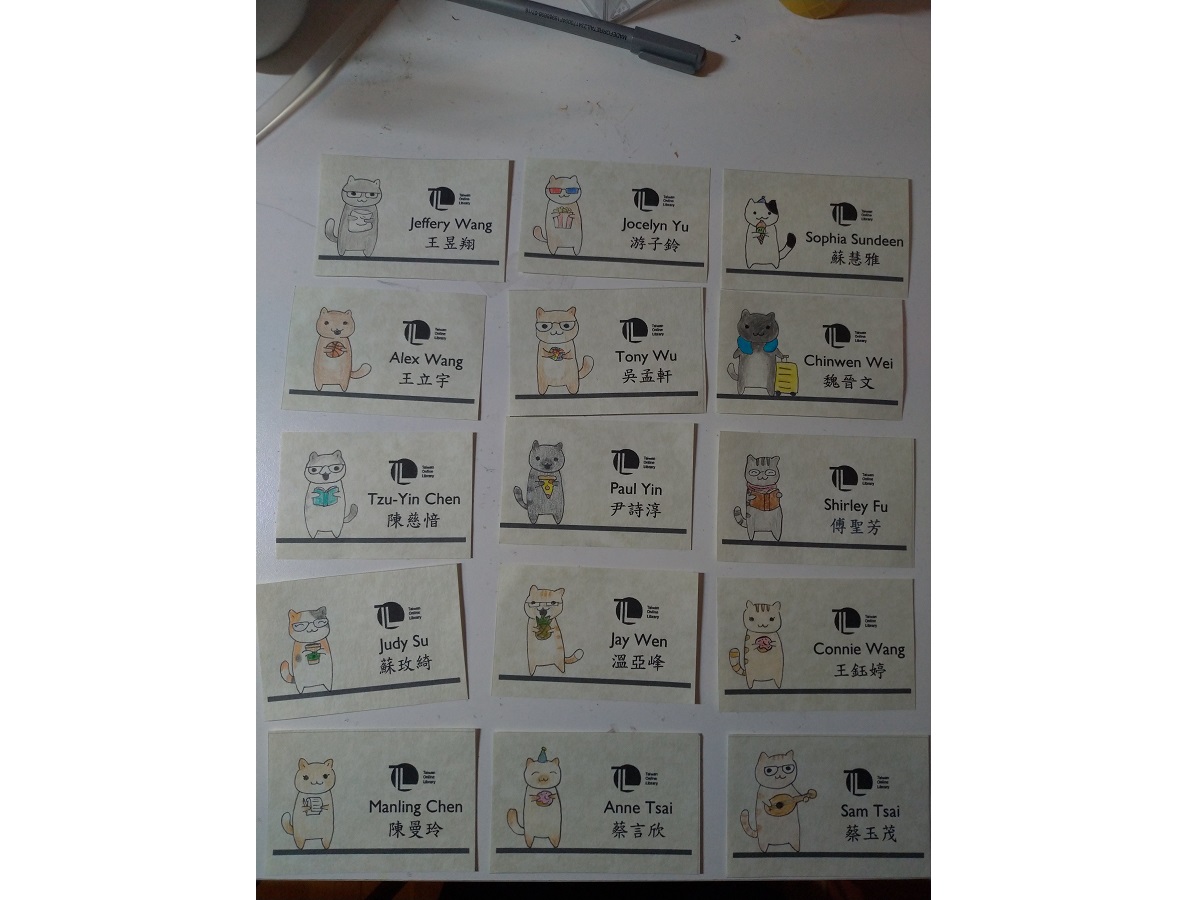
Tony Wu
Event planning
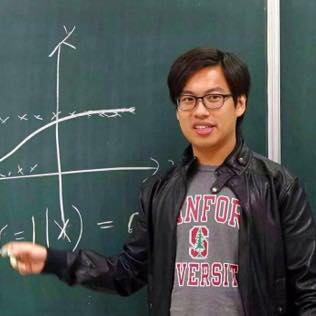
Tony Wu, is teaching at University of Minnesota, Statistics. His bobby are jogging,puzzle.
Ya-Feng (Jay) Wen
Event planning
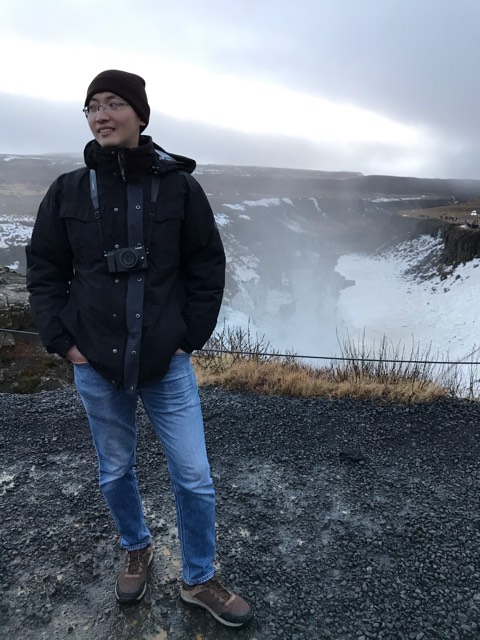
Ya-Feng (Jay) Wen, is a Pharmacist and a PhD student at University of Minnesota, College of Pharmacy. He enjoys playing softball, badminton, and traveling.
Mei Chi Su

Event planning
Mei Chi Su, is a Ph.D. student at University of Minnesota. She enjoys exposing herself in various cultures to understand and experience the living styles in different countries. She likes traveling, live music and movies.
Yu-Hsiang (Jeffery) Wang

Event planning
Yu-Hsiang (Jeffery) Wang, a graduate from the University of Minnesota, works as a Manufacturing Associate in Takeda Pharmaceuticals. He likes to study, cook, and eat Taiwanese cuisine.
Jocelyn Yu
Event planning
Jocelyn Yu. Graduate student in Speech-Language-Hearing Sciences at the University of Minnesota. Enjoy cooking and eating tasty food!
Sponsors
Bravo Cafe & Bakery

Best cream puff in town.
651-287-9118


1106 Grand Ave. Saint Paul, MN 55105
Pagoda Restaurant

Minneapolis' first Open Kitchen Dim Sum! Great Service and Atmosphere!
612-378-4710
1417 4th St SE in Minneapolis, MN
Luther Hopkins Honda

Luther Hopkins Honda is one of the finest Honda dealerships in the country.
952-938-1717
250 Fifth Avenue South, Hopkins, MN 55343
Potbelly

Potbelly provides fresh, fast and friendly sandwiches.
651-414-3997
2130 Ford Parkway, SAINT PAUL, MN 55116
TeaBar

Taiwanese old fashion bubble tea shop, bring back the taste in your memories.
1011 Meadowlands Dr. Suite 9 White Bear Lake, MN 55127
Bridge Realty

952-368-0021
1101 E 78th Street #300 Bloomington Minnesota 55420
Minnesota Times

952-688-2848
Tea Source

Offer the best value on the finest teas and tisanes from around the world.
651-788-9971
752 Cleveland Avenue South, St. Paul, MN 55116
2908 Pentagon Drive N.E. St. Anthony, MN 55418
Pizza Lucé

The Best Pizza in Minnesota.
651-288-0186
1183 Selby Avenue St. Paul, MN 55104
Minnesota Twins Baseball Club



Target Field, 1 Twins Way, Minneapolis, MN 55403
55403
Organizations
Taiwan Online Library

Event Hoster
Established in 2009, the Taiwan Online Library hosts 2 to 4 events every year, like concert, film festival, and a Han culture festival. Book services have been and will be provided for each event.
Taipei Economic and Cultural Office in Chicago

Event Sponsor
The Taipei Economic and Cultural Office in Chicago (TECO-Chicago), overseen by the Taipei Economic and Cultural Representative Office in the United States , serves Taiwan citizens in the Midwestern United States and the interests of the Republic of China (Taiwan). Since 1979, TECO-Chicago has functioned as the Midwest regional branch of the Taipei Economic and Cultural Representative Office in the United States, which is located in Washington, D.C.
Taiwan is one of the most prosperous, democratic, and politically mature countries in the world. Taiwan values the principles of democracy, free speech, human rights, religious freedom, humanitarianism, and market economics, which are hallmarks of the United States of America.
The Taipei Economic and Cultural Office in Chicago will continue its efforts to expand and strengthen the economic, cultural, and other ties to the U.S. Midwest, to enhance mutual cooperation and security between Taiwan and the United States far into the 21st century. Not only do these relations and efforts serve the goals and interests of both of our peoples, but also the greater cause of stability, security, peace, and economic development in the Asia-Pacific region.
Overseas Community Affairs Council

Event Sponsor
The Culture Center of Taipei Economic and Cultural Office in Chicago is located on 55 E. 63rd St., Westmont, IL, 60559. The Center provides various products and services in meeting the needs of the Taiwanese community, such as renting meeting rooms, lending books, providing material for learning Chinese, and so on.
Taiwan Film Institute

Event Sponsor
Taiwan Film Institute (TFI) is a foundation set up by the Ministry of Culture on July 28, 2014. It was upgraded from the Chinese Taipei Film Archive (CTFA), which had thirty-four years of history before it was replaced by TFI.Though film preservation and restoration are still TFI’s core missions, TFI will also play a significant role in the international promotion of Taiwan cinema. Three new departments, the Department of Documentary (Taiwan International Documentary Festival Office), the Department of Education and Public Services, and the Department of International Promotion have been set up. The expansion manifests that TFI is shouldering the important task of domestic film education as well as worldwide development of Taiwan cinema and documentary.